What is sustainable tourism
Sustainable development, ESG – global trends of the last 8 years in society and business. Involvement and interest in these topics is growing every year. In general, sustainable development is a long-term activity that does not cause irreparable harm to the environment and future generations. In 2015, the UN adopted the Sustainable Development Goals by 2030, which highlight key areas for countries’ development.

Modern tourism brings not only positive economic and social consequences, but also significant environmental risks. The increase in the flow of tourists to various regions of the world leads to a load on natural resources and ecosystems, which often leads to their degradation. In these conditions, the concept of sustainable tourism becomes especially relevant; in recent years, it has become an important topic of discussion among travelers and environmentalists.
Traveling more meaningfully and at the same time bringing benefit is the main principle of sustainable tourism. Companies that share these principles, when creating their products and services, start from this request of tourists. The sustainability trend has been picked up by major tour operators. Players such as Booking.com, Amadeus, TUI declare their sustainable tourism programs and sustainable strategies, work with startups and collaborate with local authorities and communities.
Sustainable tourism is a concept of travel that aims to minimize negative impacts on the environment and support local communities. It is travel that takes into account environmental, economic and social aspects, contributing to the preservation of natural and cultural resources for future generations. The main principles of sustainable tourism include:
- Preservation of nature and cultural heritage
- Support for local economies
- Responsible behavior of tourists
As tourism grows in popularity, so does the pressure on natural resources. For example, tourism accounts for approximately 8% of global carbon dioxide (CO2) emissions, much of which comes from transport such as airplanes and cars. Between 2005 and 2016, emissions associated with tourist transportation increased by more than 60%. In addition, the construction of tourism infrastructure such as hotels and airports often leads to the destruction of natural ecosystems and increased carbon emissions.
Today, the concept of sustainability in tourism includes several aspects: reducing the carbon footprint, reducing the impact on local ecosystems, increasing the economic benefits for local communities. Sustainable tourism is achieved when all three parts work together effectively. In simpler terms, sustainable tourism is when everyone is happy. Tourists are happy because they get a great experience. Locals are happy because tourists develop their culture and help them earn money, but at the same time do not interfere with the flow of local life. The environment is happy – because no one harms it, and the riches of nature remain for many generations to come. And the businesses that make money on this are also happy.
European Tourism Indicators System (ETIS)
At the current stage of tourism development, it is advisable to adopt a single basic approach to developing a tourism development model based on progressive international practices that take into account international standards, recommendations, norms and rules updated in recent years in accordance with modern trends in world development. In particular, this is the European Tourism Indicator System (ETIS) for sustainable development management, which is a kind of guide that helps local organizations assess their effectiveness and improve the approach to sustainable tourism management. Thus, ETIS is a system of indicators suitable for all tourist destinations to encourage the use of the SMART approach to tourism planning.
The ETIS complex includes 43 main indicators and an indicative set of additional indicators, divided into four categories: destination management; social and cultural impact; economic value; environmental impact. Indicators are used as mandatory and auxiliary: the system can be used in full or integrated into existing systems for monitoring the development of a tourist destination. The rationale and practicality of the ETIS toolkit have been tested in two pilot implementation phases over a period of two years in EU countries. Over 100 destinations in Europe have implemented and tested ETIS, providing the European Commission with experience reports.
Some of the problems that sustainable tourism solves
Problems of overtourism and undertourism
Overtourism is when there are too many tourists in a city. The tourists themselves don’t like it, because no one wants to be in a crowd all the time. And the locals don’t like it, because everything gets out of control, there is garbage, noise.
On the other hand, undertourism is when tourists are really expected, but they don’t come. Many cities have invested in infrastructure, come up with tourism projects, but there are still not enough visitors, although their money would help the city.
Therefore, one of the goals of sustainable tourism is to balance these trends. So that there are enough tourists everywhere, but not too many. Each city must determine its own maximum capacity limits.
Climate change
Tourism is responsible for almost 10% of carbon emissions into the atmosphere. If the climate changes, natural conditions change, and with them our tourism products change. For example, there may be no snow at ski resorts, and we will no longer be able to sell tours there.
When we talk about climate change, we think first of all about transport. And it really does have a strong impact on carbon emissions, although another very important factor in climate change is food production, and in particular meat. For example, we go to Egypt, but they feed us meat that flew in from Latin America. This meat left a large carbon footprint due to transportation to another continent.
Animal rights protection
We usually think about animal rights from the perspective of a tourist, an observer. If we take a photo with a tiger or ride an elephant, it seems to us that we are not harming the animal. But what is important here is what we do not see. To make animals behave obediently with tourists, they are often fed drugs and beaten. This should not be allowed.
Preservation of cultural and natural heritage
Tourism influences the preservation of local culture. It is important that it can support it so that it lives on for generations to come. It is equally important to use local materials. Where wood is available, build hotels from wood. Where marble is available, use marble. In a village with small houses, there is no need to build a 30-story hotel – it is important to fit everything into the landscape. Nature and the local community are products worth investing in.
How you can travel responsibly
Traveling sustainably isn’t as hard as it may seem. Here are a few simple steps to help minimize your ecological footprint:
- Selecting ecotourism destinations. Preference should be given to places where ecotourism is supported at a high level and the infrastructure contributes to minimal impact on nature.
- Choice of transport. Choose trains and buses over planes and cars to reduce your carbon footprint.
- Eco-friendly living. Stay in green-certified hotels or with locals. These options are usually cheaper and support the local economy.
- Reduce your use of plastic. Bring a reusable water bottle, shopping bag and cutlery. Avoid single-use plastics.
- Support local communities. Buy souvenirs from local producers, stay in family-run hotels and eat at local restaurants. This not only supports the local economy, but also reduces your ecological footprint.
- Follow the Leave No Trace principles. Please remove any litter, do not trample vegetation, do not disturb wildlife and follow established trails.
- Participate in environmental initiatives. Join volunteer programs to clean up trash, plant trees, and protect wildlife.
Sustainable tourism has become a hot topic in recent years. According to recent surveys, 91% of tourists believe it is important to travel ethically. They may not be prepared to organize such trips themselves, but they expect companies and hotels to do everything right. Sustainable tourism helps preserve cultural heritage and biodiversity, and supports local economies through job creation and infrastructure development. Moreover, ecotourism is becoming increasingly popular among travelers: 74% of tourists say they want to see more sustainable travel options from companies. 70% of tourists surveyed say that they will give priority to a hotel that complies with environmental standards.
So, by traveling with respect for nature, we not only preserve the environment for ourselves, animals, plants and future generations, but also support local communities and their culture. This is not just a trend, but a necessary change in our approach to tourism that will contribute to the sustainability of the planet.
Sustainable tourism in Europe
In the last decade, sustainable tourism has been the main trend in European countries. It is not for nothing that a system for monitoring the impact of tourism on the environment and the preservation of historical and cultural heritage has been in place for eight years. I have already mentioned the ETIS system of indicators for sustainable tourism, with which more than 100 European communities work.
My wife and I often travel around Germany and stay in various hotels. Here they have refused to use disposable tableware and synthetic materials, and they always sort their garbage. Some hotels are introducing energy-saving technologies. The same situation is in German restaurants and cafes. Positive changes are also noticeable in the tourism sector of Greece, Italy, Hungary, Poland and the Czech Republic, where we have visited recently.
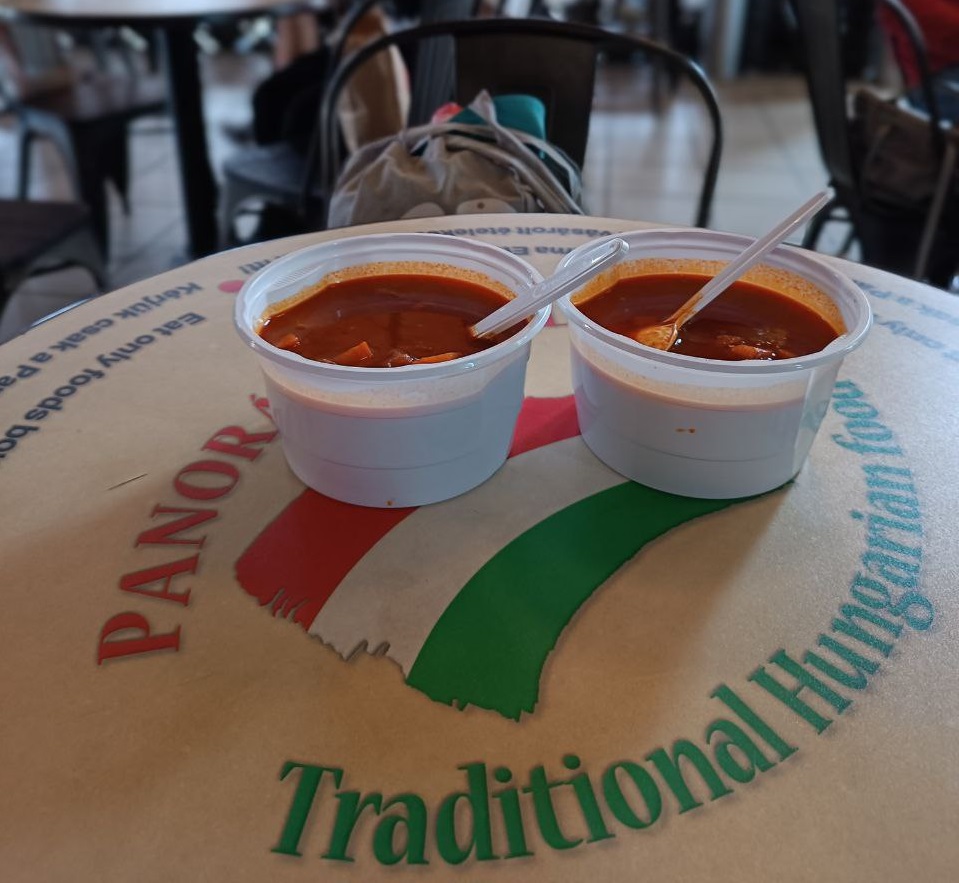
However, negative aspects can also be noted. For example, at the Central Market in Budapest, goulash soup is still served in disposable tableware in the food zone. But this exception only confirms the long-term trend of developing sustainable tourism in Europe.
Sustainable tourism in Ukraine
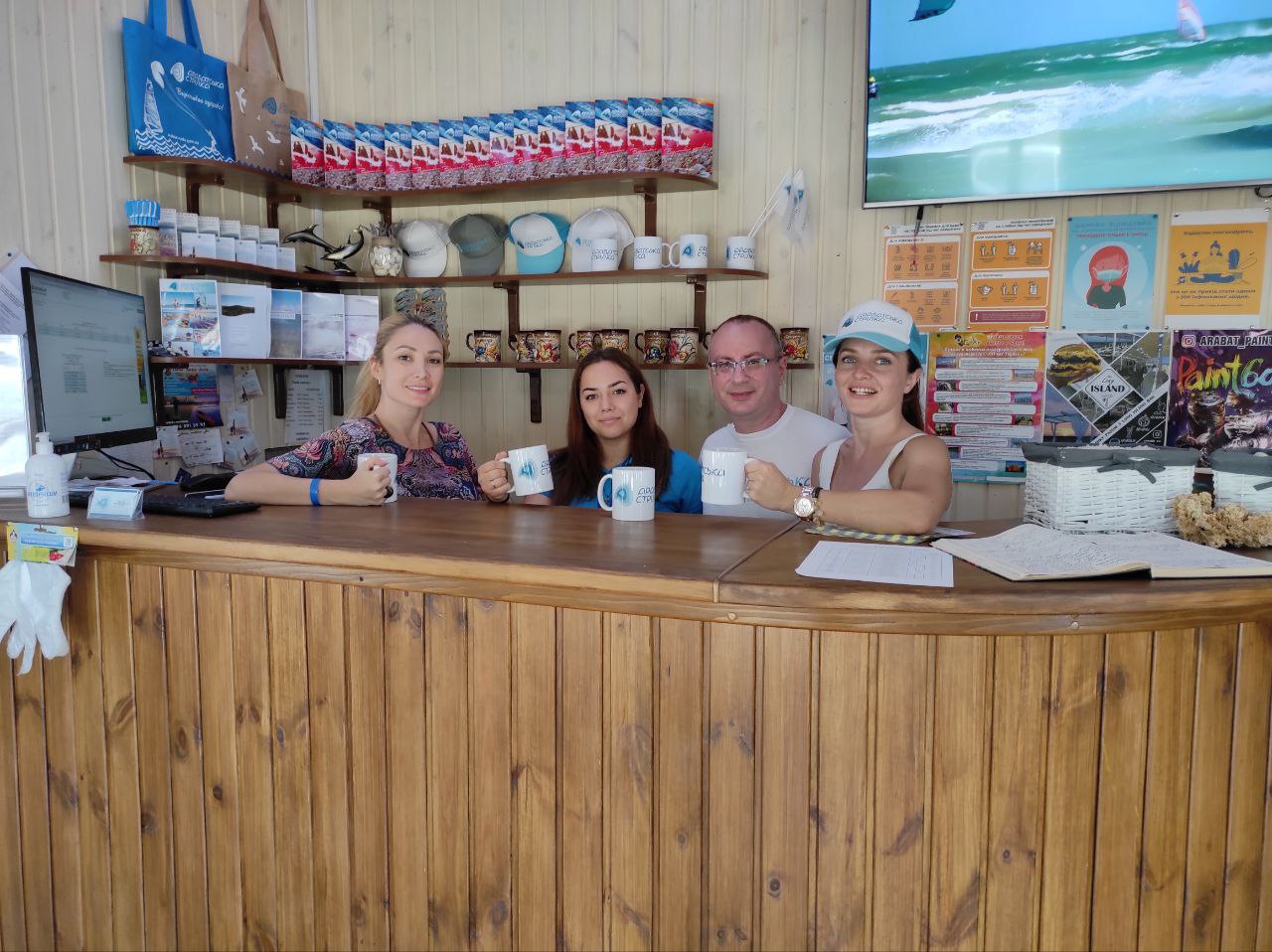
Our team members Tetiana Tymoshenko and Oleksandr Fainin are the founders and evangelists in the field of sustainable tourism development in Ukraine. They started developing this idea when the national movement “Tourism Clusters 300+” was created in 2018. Later, many ideas were implemented in the process of creating the Tourism Cluster in Uman and developing the Azov macrodestination. Projects for the introduction of ecological tourist transport, ecological cheese making and winemaking were developed in Uman. Close cooperation between the tourism business and local communities was also developed.
The roadmap for the development of tourism in the Azov macrodestination for 2021-30 provided for the introduction of ETIS indicators, environmental certification of hotels and restaurants, as well as smart specialization of cities and resorts in the region. We actively cooperated with local national parks. There was only one step left before signing a memorandum of cooperation with the State Agency for Tourism Development of Ukraine on a pilot project for a tourist destination. Unfortunately, due to Russian aggression, the entire Azov region ended up in the occupation zone and our project ceased to exist.
At the end of November 2024, the Bukovel resort, located in the Carpathians, declared the creation of a tourist destination and the implementation of sustainable tourism principles. At the III National Tourism Summit, a Memorandum of Cooperation was signed between Bukovel and the State Agency for Tourism Development of Ukraine. The resort management declares the certification of hotels, the development of socially responsible business, the passage of an international audit for compliance with the requirements of a sustainable tourism destination, etc. Let’s wish our colleagues success and follow the news.

Now we are starting cooperation with African colleagues from Uganda. There we plan to create preconditions for the development of a tourism cluster based on the conditions of sustainable tourism. We invite all interested parties to take part in our project.
(c) 2024. Oleksandr Fainin