Introduction
Tourism is booming — but so are emissions, congestion, and local frustration with unsustainable visitor flows. Eco-mobility in tourism is no longer a luxury: it’s a survival strategy. Across Europe and beyond, projects are showing how cycling, walking, e-mobility, shared transport, and renewable energy can transform how we move in destinations.
The European Union has been funding eco-mobility pilots for years. Meanwhile, innovative initiatives are emerging in Ukraine and Central Asia. Together, they provide powerful lessons for destinations that want to grow tourism responsibly while cutting carbon.
This article reviews EU-funded projects, highlights new Ukrainian and Kyrgyz examples, and offers concrete guidelines for implementing eco-mobility in tourism.
What Eco-Mobility Means in Tourism
Eco-mobility is about moving people efficiently, safely, and sustainably while minimizing environmental footprints. In tourism, it combines:
Walking, hiking, cycling trails
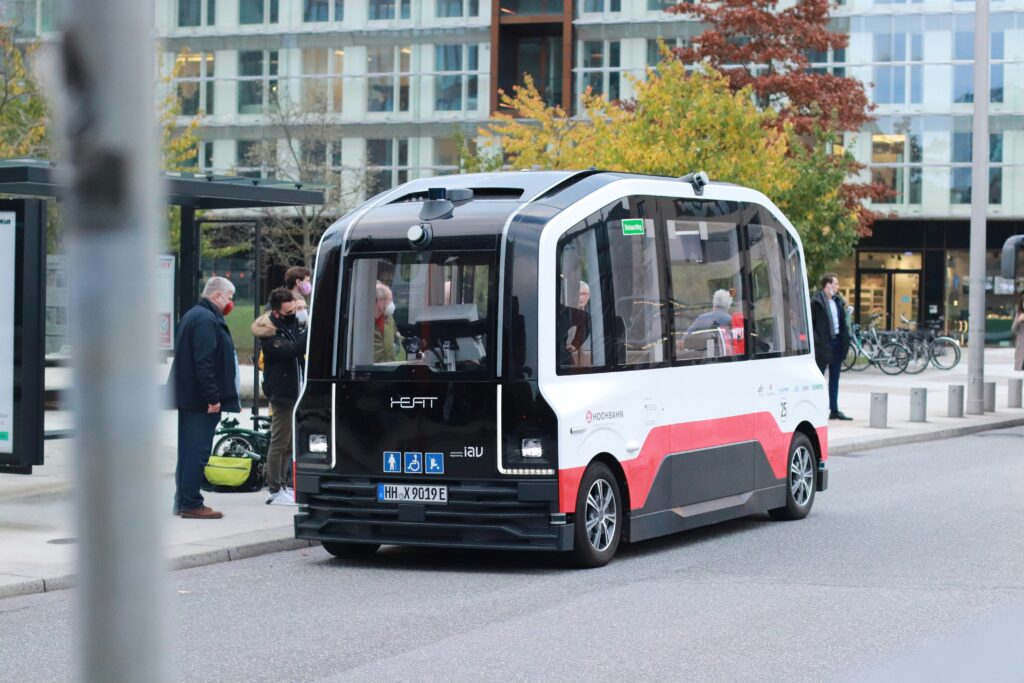
Electric buses, shuttles, and trains
Shared mobility: e-bikes, scooters, e-cars
Intermodal transport linking airports, rail, ferries, and local mobility
Infrastructure that makes green choices easier than fossil-fuel cars
Destinations that embrace eco-mobility enjoy:
Lower carbon emissions from visitors
Better quality of life for locals
Improved visitor experience with less stress and more immersion
Positive branding as green, modern, and future-oriented
EU Support & Policy Context
The EU has been a pioneer in aligning tourism with mobility and sustainability. Key frameworks:
European Green Deal – carbon neutrality by 2050.
Transition Pathway for Tourism – roadmap for green & digital transition.
EU funds – ERDF, INTERREG, COSME, Horizon Europe, Recovery Facilities.
Guidelines – SMARTA-NET reports on rural mobility & ecotourism.
These initiatives push destinations to reduce emissions and improve mobility access in both urban and rural areas.
Case Studies: EU-Funded Eco-Mobility Projects
MOVELETUR (Spain–Portugal)
Created a cross-border eco-mobility network of over 1,000 km of routes with e-cars, bikes, scooters, and charging infrastructure. Lessons: pilot projects can boost visibility and create new “green weekend” tourism products — but require strong maintenance.
SMARTA-NET (Rural Mobility & Ecotourism)
Focused on rural areas with weak infrastructure. Delivered practical guidance on shared mobility, cycling, and public transport integration. Lesson: no one-size-fits-all — solutions must be tailored to terrain and density.
SEEMORE (Mediterranean Coastal Regions)
Promoted energy-efficient mobility by shifting tourist habits. Lesson: awareness campaigns and partnerships between transport & tourism sectors are critical.
Alpine Pearls (Alpine Regions)
A cooperative of alpine towns offering car-free holidays using e-shuttles, bikes, and buses. Lesson: eco-mobility becomes a branding advantage.
New Regional Examples: Ukraine & Kyrgyzstan
VeloHalychyna (Ukraine)
VeloHalychyna-project by U-LEAD with Europe Project
A major eco-mobility project connecting Ivano-Frankivsk with Halych through 80+ km of cycling infrastructure, a 25 km new bike route, and 48 cultural and natural sites. It features bike parks, campsites, an interactive app, and international cooperation with Poland.
Lessons:
Safe cycling routes double as commuter infrastructure for locals and tourist attractions.
Branding (“VeloHalychyna”) increases visibility and competitiveness.
Educational programs (bike schools, kvests, forums) engage communities and youth.
Eco-Train in Uman (Ukraine)
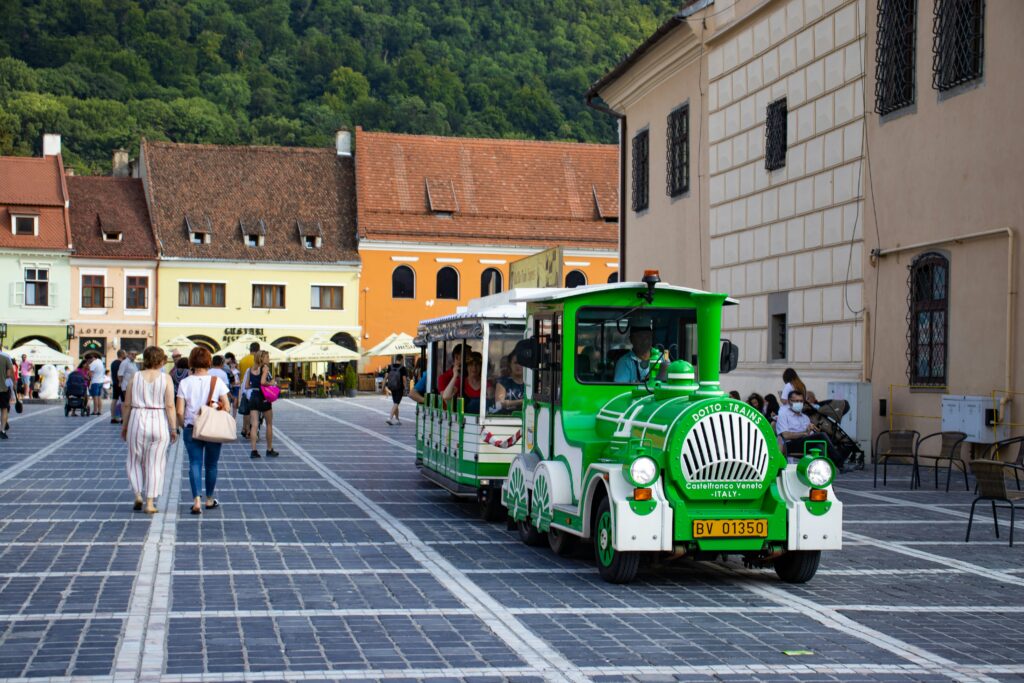
Developed by the West Cherkaschyna Tourism Cluster, this electric tourist train offers sustainable access to Uman’s highlights, including Sofiyivka Park.
Lessons:
Cluster-driven projects can implement eco-mobility even without massive state funding.
Compact, high-density tourist zones benefit most from electric shuttles/trains.
Local ownership ensures maintenance and promotion.
EBRD Eco-Transport Concept (Kyrgyzstan)
A planned eco-transport system powered by solar batteries and renewable technologies in Kyrgyzstan. The concept aims to reduce emissions in tourist hubs and demonstrate how green energy + mobility can work in emerging destinations.
Lessons:
International financing institutions (EBRD) can catalyze eco-mobility in regions lacking local resources.
Integration of renewable energy ensures long-term sustainability.
Emerging destinations can leapfrog directly into clean transport models.
Key Lessons Across All Projects
| Works Well | Common Challenges |
|---|---|
| Collaboration between tourism, transport, local governments | High upfront costs, low initial demand |
| Accessible infrastructure: charging, rentals, signage | Maintenance in remote/rural areas |
| Education & marketing for tourists & locals | Tourist inertia: cars = convenience |
| Linking tourism & mobility planning | Fragmented governance |
| Blended finance: public + private + international donors | Pilot fatigue: small pilots not scaling |
Roadmap for Destinations
Assess mobility flows (tourists & locals).
Engage stakeholders early.
Choose modes wisely (bike vs shuttle vs intermodal).
Invest in infrastructure (signage, charging, rentals).
Secure funding (EU, EBRD, PPPs, donors).
Promote eco-mobility to visitors and residents.
Monitor & adapt with CO₂ saved, modal shift, satisfaction.
Future Outlook
Micromobility boom: more e-bikes/scooters integrated with tourism.
Digital tools: apps linking tickets, routes, attractions.
Renewable energy: solar-powered transport grows.
Regional leadership: Ukraine, Kyrgyzstan, Balkans can become eco-mobility labs.
Conclusion
Eco-mobility in tourism is not just about reducing emissions — it creates safer, healthier, and more attractive destinations. EU-funded projects prove the model. Ukrainian and Kyrgyz initiatives show it’s possible outside the EU, too.
Destinations that invest today will gain a competitive edge tomorrow: happier visitors, healthier residents, and a cleaner planet.
About the Author

Oleksandr Fainin is a Destination Development & Management Consultant with 30+ years of experience in sustainable tourism, post-conflict recovery, and strategic planning. He has worked with USAID, international NGOs, and local governments across Europe, the Caucasus, Central Asia, and the Middle East.
He helps destinations unlock their potential through practical strategies rooted in trust, dignity, and impact.