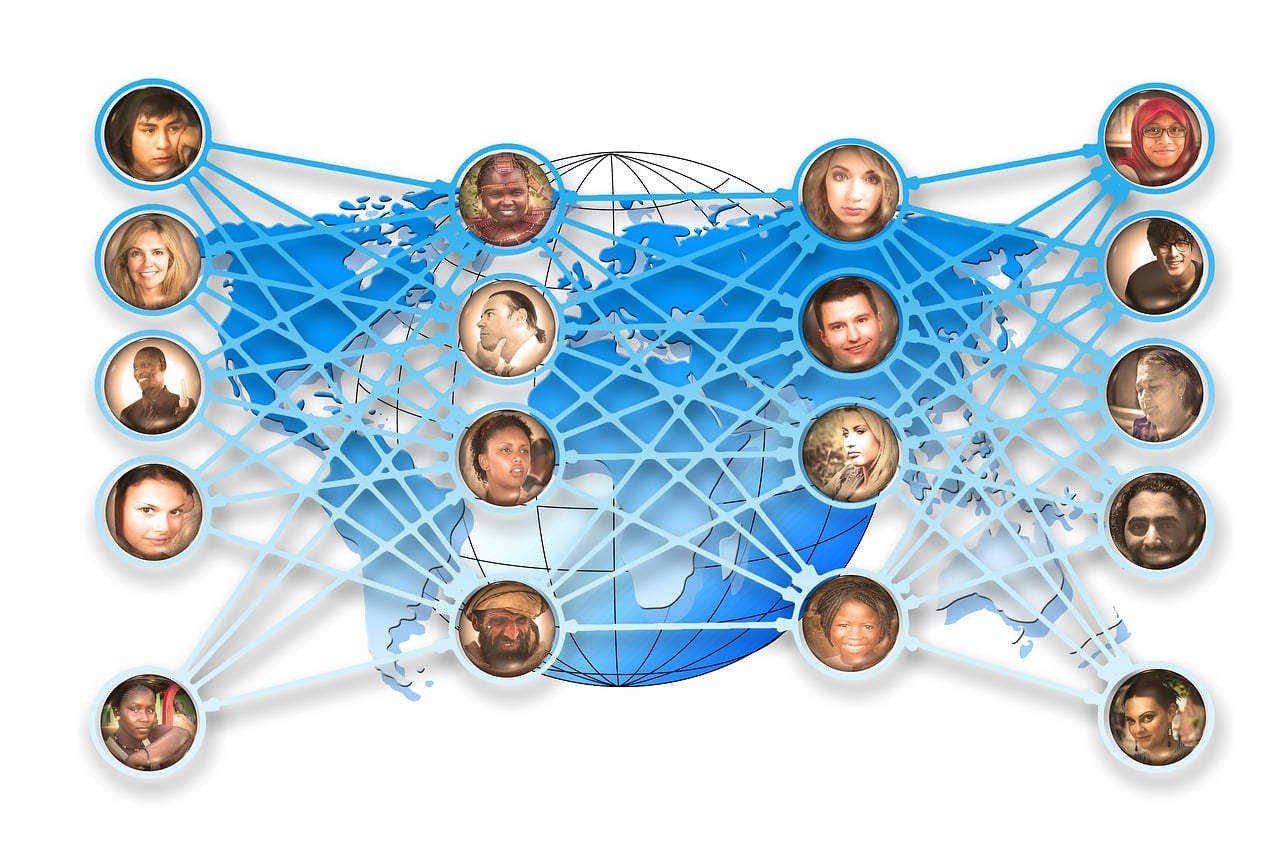
Expert perspective from a former USAID Sector Lead on what truly drives funding decisions and how to make your proposal stand out.
Introduction
Every year, thousands of grant proposals cross the desks of donor organizations around the world, from international development agencies to foundations supporting innovation, community projects, and social entrepreneurship. As someone who has spent a number of years in direct oversight roles at USAID, I have observed that, despite the abundance of resources and guidance available, many applicants fail to understand the real factors that determine success. In my experience, how donors evaluate grant applications involves far more than compliance with guidelines or polished formatting; it is a complex interplay of strategy, credibility, and human judgment.
Understanding the donor evaluation process is not merely academic — it is a critical advantage for any organization or individual seeking funding. The ability to anticipate evaluation criteria, align proposals with strategic priorities, and communicate value persuasively can significantly increase the likelihood of securing support. Over the years, I have witnessed exceptional projects fail not due to a lack of merit, but because applicants underestimated subtle yet decisive factors that donors prioritize.
In this article, I aim to provide insider insights into how donors evaluate grant applications. Drawing on my first-hand experience as a sector lead, I will explain the evaluation framework, highlight common pitfalls, and share practical strategies that can help applicants improve their chances. My goal is to demystify the process while preserving the analytical rigor expected in professional grant management contexts.
The Strategic Framework of Grant Evaluation
Donor organizations operate with a combination of formalized evaluation criteria and discretionary judgment. Formally, most agencies follow structured scoring systems, where proposals are assessed against defined indicators. These often include relevance, feasibility, sustainability, innovation, and organizational capacity. While these categories are consistent across organizations, the weighting and interpretation of each criterion vary, reflecting the agency’s strategic priorities and programmatic goals.
In addition to formal criteria, donors rely heavily on qualitative assessments. Evaluators consider the track record of the applicant, the credibility of proposed partnerships, and the likelihood of achieving measurable impact. Even a technically flawless proposal may fall short if evaluators perceive risk in management capacity, organizational governance, or alignment with overarching strategic objectives.
One critical insight I observed repeatedly is that donor evaluations are influenced by contextual alignment. This includes considerations such as geographic focus, thematic relevance, and timing relative to strategic planning cycles. A proposal that is otherwise strong may be deprioritized if it does not align with current funding priorities or emerging sectoral needs. Recognizing and addressing these contextual factors can substantially improve an applicant’s chances of success.
The Human Factor in Donor Decisions
Even if an organization has extensive experience in receiving grants from various sources and implementing projects successfully, the human factor can always become an obstacle. Subject to an honest and transparent assessment, correct drafting and design of the project, and other positive factors, the grantor organization may have several considerations that could affect the outcome.
From my experience, these human factors can manifest in several ways:
Evaluator Fatigue and Cognitive Load – Reviewers often manage large volumes of proposals. A proposal that is unclear, poorly structured, or overly dense can be deprioritized, even if the project idea is strong. Clear, concise presentation is essential.
Bias and Perception of Risk – Donors may consciously or unconsciously favor applicants with whom they have prior experience or those associated with reputable networks. Conversely, unfamiliar organizations may face heightened scrutiny, regardless of technical merit.
Narrative Resonance – Human evaluators respond to narrative clarity. A proposal that tells a compelling story, demonstrates understanding of local context, and clearly articulates measurable outcomes is more likely to receive positive evaluation.
Interpersonal and Organizational Reputation – Past interactions with the donor or feedback from partner organizations can influence perception. Professionalism, responsiveness, and transparency during the pre-application phase often weigh into the assessment process.
Understanding these human dynamics is crucial because, unlike rigid scoring systems, they are not always documented. Applicants who neglect these considerations may unknowingly limit their chances of approval.
Common Misconceptions About Donor Evaluation
I have frequently encountered misconceptions among applicants regarding how donors evaluate grant applications. Addressing these misconceptions is important to realign expectations with reality.
Misconception 1: Following Guidelines Exactly Guarantees Success
While compliance with submission requirements is necessary, it is not sufficient. Donors assess alignment with strategic goals, technical soundness, and impact potential. Submission alone does not guarantee funding.
Misconception 2: Innovative Ideas Automatically Receive Priority
Innovation is valuable but must be grounded in feasibility, sustainability, and measurable outcomes. Donors evaluate the likelihood that a project will deliver on its promises, and untested or risky approaches may be deprioritized.
Misconception 3: Large Budgets Impress Donors
Budget size is irrelevant if not justified. Donors look for efficiency, cost-effectiveness, and clear linkage between resources and expected results. Overly ambitious budgets without detailed financial rationale can reduce credibility.
Misconception 4: Evaluation Is Entirely Objective
Despite structured scoring, evaluation includes subjective judgment. Understanding evaluator priorities, preferences, and concerns is as important as technical completeness.
The Importance of Strategic Alignment
A proposal’s alignment with donor priorities is arguably the most critical factor. From my perspective, organizations that invest time in researching funding strategies, sectoral focus areas, and annual work plans position themselves advantageously.
For example, at USAID, each office maintains country or sector-specific strategies that guide funding decisions. A proposal that clearly maps its objectives to these strategic priorities demonstrates understanding, readiness, and credibility. Beyond alignment, proposals that anticipate emerging priorities—such as climate resilience, digital inclusion, or youth empowerment—often receive higher consideration.
Strategic alignment is not solely about thematic fit; it also includes operational and geographic relevance. For instance, a community development project in one region may be deprioritized if the donor’s current focus is elsewhere. Articulating why the project location and target population are critical to the donor’s mission increases the perceived value of the application.
Effective Communication With Donors
During my tenure, I found that applicants who proactively communicated with donors before submission were at a distinct advantage. Pre-submission engagement can take many forms:
Attending donor webinars and information sessions
Requesting clarification on program guidelines
Sharing preliminary concepts for informal feedback
These activities not only clarify expectations but also establish rapport and trust. Evaluators often remember applicants who demonstrate professionalism, initiative, and responsiveness. Such relationships can be decisive in cases where multiple proposals are of similar technical quality.
Conclusion of Introduction
In summary, understanding how donors evaluate grant applications requires recognizing both structured evaluation frameworks and the human elements that influence decisions. Applicants must address technical criteria, strategic alignment, and narrative clarity while also navigating subtle human dynamics and institutional priorities.
The following sections will delve deeper into the specific mechanisms of donor evaluation, the common mistakes that limit success, and actionable strategies to improve the probability of securing funding. By integrating these insights with practical steps, applicants can develop proposals that not only meet formal requirements but also resonate with the people responsible for making funding decisions.

Section 1: How Donor Evaluation Actually Works (The Inside View)
The Evaluation Funnel
One of the first insights I gained as a USAID Sector Lead was that the donor evaluation process functions as a multi-layered funnel. Proposals are not assessed in isolation; they pass through sequential stages designed to ensure alignment, feasibility, and impact. Understanding each stage allows applicants to anticipate potential barriers and tailor their submissions accordingly.
Typically, the process begins with an eligibility review. At this stage, administrative compliance is paramount. Missing forms, late submissions, or failure to meet basic eligibility criteria often results in immediate rejection. While straightforward, this step emphasizes the importance of meticulous attention to detail. I cannot overstate how many potentially excellent projects are eliminated at this stage due to avoidable administrative errors.
Once a proposal passes eligibility screening, it proceeds to technical review. Evaluators assess the project against predefined criteria, which vary by donor and program but generally include relevance, feasibility, sustainability, and capacity of the applicant. In my experience, this stage is where the majority of substantive judgment occurs. Evaluators examine whether the proposal convincingly addresses the problem, demonstrates realistic implementation plans, and presents measurable outcomes. They also consider the organizational experience and ability to deliver results.
Following technical review, proposals typically undergo scoring and ranking. Donors employ standardized scoring matrices to promote consistency, but scores are rarely the sole determinant of success. At this stage, human judgment plays a significant role in interpreting scores in light of strategic priorities. A proposal with a slightly lower technical score may be selected over a higher-scoring one if it aligns more closely with emergent sector priorities or fills a geographic gap in the portfolio.
The final stage often involves negotiation and due diligence. At this point, donors examine detailed budgets, risk management plans, and partnership structures. Any red flags regarding financial management, compliance, or feasibility can affect the ultimate decision. In my experience, proposals that anticipate these concerns and provide clear mitigation strategies are far more likely to receive funding.
Role of Scoring Matrices and Evaluation Criteria
Most donors implement structured scoring systems to ensure transparency and fairness. Typical criteria include:
Relevance: Does the proposal address an identified need and align with donor priorities?
Feasibility: Are proposed activities realistic given the resources, timeline, and capacity?
Sustainability: Will the project continue to deliver impact after donor funding ends?
Organizational Capacity: Does the applicant have the experience and infrastructure to manage the project effectively?
Innovation: Does the proposal introduce novel approaches or solutions to existing challenges?
Each criterion is weighted according to program goals. During my tenure, I observed that relevance and feasibility usually carry the highest weight, as donors prioritize investments that deliver measurable outcomes and align with strategic objectives.
Despite these structured criteria, scoring is not purely objective. Evaluators apply judgment when interpreting qualitative aspects of the proposal, particularly in areas like innovation and sustainability. For example, a technically sound project with innovative ideas may be viewed skeptically if it lacks operational experience or risk mitigation strategies. Conversely, a well-executed standard approach may be favored if it demonstrates high reliability and alignment with donor priorities.
Contextual Alignment and Strategic Fit
Understanding the context in which a donor operates is essential. Donors evaluate proposals not in a vacuum but within the framework of broader organizational strategy, sectoral focus, and geographic priorities. For instance, during my work with USAID, I frequently observed that proposals closely aligned with Country Development Cooperation Strategies (CDCS) were given preferential attention. A proposal that addressed an important need but fell outside these strategic priorities was less likely to succeed.
Geographic considerations also influence decisions. Donors often aim to balance portfolio distribution across regions, sectors, or thematic areas. Even a strong project may be deprioritized if it overlaps with another funded initiative or does not fill a critical geographic gap. Demonstrating awareness of these contextual factors and explicitly linking your proposal to strategic priorities significantly strengthens its evaluation.
The Human Dimension in Technical Evaluation
While matrices and scoring systems provide structure, the human element is central. Evaluators bring experience, judgment, and biases — both conscious and unconscious — into the assessment process. In my experience, these factors can be decisive in distinguishing between proposals of similar technical quality.
For example, I have seen two proposals addressing the same sector issue with similar budgets and methodologies. One succeeded while the other did not. The difference was often subtle: the successful proposal demonstrated a nuanced understanding of local stakeholder dynamics, integrated realistic risk management measures, and included clear contingency plans. The unsuccessful proposal, while technically sound, lacked evidence of field-level awareness and operational feasibility.
Evaluator perceptions of credibility and professionalism also play a role. Clear, concise, and well-structured proposals are more persuasive than overly verbose submissions, regardless of content quality. Proposals that anticipate potential questions, provide evidence for claims, and communicate in a logical flow tend to resonate better with evaluators. In other words, presentation matters nearly as much as substance.
The Interaction Between Quantitative and Qualitative Assessment
One of the key lessons I learned is that quantitative scores rarely tell the whole story. A proposal may excel in measurable metrics — demonstrating a strong budget, clear objectives, and achievable targets — yet still fail to secure funding. This is because evaluators integrate qualitative judgment, considering factors such as strategic alignment, risk, and organizational credibility.
For instance, a project that scores slightly lower on technical metrics may be preferred if it:
Introduces innovative solutions aligned with emerging priorities
Demonstrates a strong partnership network capable of amplifying impact
Addresses an underserved population or geographic region
In my experience, recognizing the interplay between quantitative scoring and qualitative assessment allows applicants to craft proposals that are both technically sound and strategically compelling.
Pre-Submission Engagement: An Overlooked Advantage
Applicants often underestimate the value of pre-submission engagement. Engaging donors early — through briefings, informal feedback sessions, or queries about program priorities — provides insights that are not always publicly documented. These interactions help applicants understand nuanced expectations, identify potential concerns, and adjust proposals before submission.
During my tenure, I found that applicants who invested in these interactions were better positioned to anticipate evaluation criteria and tailor their narratives accordingly. Such proactive engagement also builds rapport, which can subtly influence how evaluators interpret a proposal. Trust and transparency established early in the process can be decisive in close evaluation scenarios.
Conclusion of Section 1
In summary, the donor evaluation process is a structured yet nuanced sequence of assessments designed to ensure that funded projects are relevant, feasible, sustainable, and aligned with strategic priorities. While formal scoring systems provide a framework, human judgment, contextual understanding, and strategic alignment ultimately drive funding decisions.
Applicants who grasp this process — understanding how donors evaluate grant applications not only in terms of formal criteria but also in terms of human and strategic dynamics — position themselves to submit proposals that are technically sound, contextually relevant, and compelling to evaluators. This understanding forms the foundation for the next sections, where we will explore the human factor, common pitfalls, and actionable strategies for developing winning proposals.

Section 2: The Human Factor — What the Scorecards Don’t Show
Introduction to the Human Dimension
One of the most important insights I can share from my experience as a USAID Sector Lead is that donor evaluation is never purely mechanical. While scoring matrices, rubrics, and checklists provide structure, the final decisions are profoundly influenced by human judgment. Understanding this human factor is essential for applicants seeking to improve their success rates.
Even if an organization has extensive experience receiving grants from multiple sources and implementing projects successfully, human factors can still become obstacles. Subject to an honest and transparent assessment, correct drafting and design of the project, and other positive factors, the grantor organization may have several considerations that could affect the outcome.
Human factors manifest in multiple dimensions: evaluator perceptions, interpersonal interactions, internal politics, and cognitive biases. Overlooking these elements can result in technically flawless proposals being deprioritized or rejected outright.
Evaluator Perceptions and Experience
Evaluators are human beings with professional experience, expertise, and perspectives shaped by prior work. They assess proposals not only against criteria but also through the lens of their own understanding of what is feasible, credible, and impactful.
For instance, during my tenure, I frequently observed that proposals submitted by organizations with which evaluators had previous positive interactions were often viewed more favorably. Conversely, proposals from unfamiliar applicants could face heightened scrutiny, regardless of merit. This is not bias in a pejorative sense, but rather a rational assessment of risk: donors are ultimately accountable for ensuring resources are deployed effectively.
The human factor also means that evaluators are sensitive to clarity, structure, and presentation. A proposal that communicates complex ideas in a logical, concise, and persuasive manner tends to resonate better than one that is verbose or unclear. I have seen excellent project concepts fail because the narrative did not allow evaluators to quickly understand the problem, proposed solution, and expected outcomes.
Cognitive Load and Decision Fatigue
Another important human dimension is cognitive load. Evaluators frequently review dozens or even hundreds of proposals in a single funding cycle. Decision fatigue can influence assessments, leading evaluators to unconsciously favor proposals that are straightforward, well-structured, and easy to navigate.
To mitigate this risk, applicants should prioritize clarity in every element of their proposal:
Executive summaries should concisely convey the project’s purpose, target population, and anticipated outcomes.
Logical frameworks and timelines should be presented in visually accessible formats.
Budgets should be transparent, detailed, and clearly linked to activities.
In my experience, proposals that minimize cognitive friction — by highlighting key information and using consistent formatting — are more likely to receive positive evaluations, even if other proposals are technically equivalent.
Risk Perception and Organizational Credibility
Donors inherently manage risk. Every funded project represents both an opportunity and a potential liability. Evaluators consider organizational capacity, governance, and track record when forming judgments. Even small concerns regarding financial management, staff turnover, or monitoring capacity can influence decisions.
I have witnessed situations where two proposals were identical in technical merit, yet the project led by a less-established organization was rejected due to perceived operational risk. This underscores the importance of demonstrating credibility through documentation, past performance, and realistic operational planning.
Key strategies to address this include:
Providing verifiable evidence of past successes
Clearly delineating roles and responsibilities of team members
Outlining contingency and risk management plans
Demonstrating institutional stability and governance mechanisms
By anticipating evaluators’ concerns, applicants can reduce perceived risk and increase the likelihood of funding.
The Influence of Interpersonal Dynamics
Interpersonal dynamics, although subtle, are influential. These include:
Pre-submission engagement: Applicants who engage donors early, seek clarification, or discuss preliminary ideas often establish rapport, which can positively influence evaluations.
Professional communication: Timely responses, clear answers to questions, and transparent sharing of information create trust.
References and partnerships: Strong networks and endorsements from credible organizations signal reliability and capacity.
From my perspective, interpersonal credibility frequently tips the balance between equally strong proposals. Evaluators are more comfortable recommending projects led by individuals and organizations with whom they have confidence in competence, honesty, and collaboration.
Subjectivity in Evaluator Judgment
While donors strive for objectivity, subjectivity is unavoidable. Evaluators bring personal judgment, expertise, and preferences to the process. For example, they may favor:
Innovative approaches that they personally understand and support
Methodologies aligned with their previous experiences or sectoral knowledge
Projects that reflect a nuanced understanding of local context
Applicants often overlook this element, assuming that technical completeness alone will suffice. In reality, proposals that engage evaluators cognitively and emotionally — demonstrating both rigor and relevance — are more likely to be successful.
Balancing Formal Criteria with Human Factors
Understanding how donors evaluate grant applications requires balancing formal criteria with awareness of human dynamics. A technically flawless proposal may be undermined by poor narrative, unclear presentation, or insufficient attention to perceived risk. Conversely, a proposal that is less innovative but well-structured, strategically aligned, and credibly presented can succeed.
I advise applicants to approach proposals as both technical documents and persuasive narratives. Technical accuracy must be complemented by strategic framing, clear communication, and demonstration of credibility. Recognizing that evaluators are human — and factoring their perceptions into the submission — is critical to enhancing proposal success.
Case Example: The Power of Human Insight
During one evaluation cycle, I reviewed multiple proposals for a sector development project in a post-conflict region. Technically, several proposals were equivalent, with comparable budgets, work plans, and expected outcomes. However, one organization stood out because it clearly demonstrated:
Engagement with local stakeholders
Understanding of operational challenges unique to the context
A detailed risk mitigation strategy and contingency plan
Despite not being the most innovative submission, this proposal received top recommendations because it addressed both measurable criteria and human factors: credibility, feasibility, and contextual awareness.
Practical Implications for Applicants
To leverage the human factor effectively, applicants should consider:
Clarity and Conciseness – Ensure evaluators can quickly understand the proposal’s objectives, methodology, and expected impact.
Credibility and Track Record – Highlight past performance with verifiable examples.
Strategic Alignment – Clearly demonstrate how the proposal supports donor priorities and fills identified gaps.
Risk Management – Provide realistic mitigation strategies for operational, financial, or contextual risks.
Narrative Engagement – Craft a compelling story that resonates with evaluators while remaining precise and factual.
By integrating these principles, applicants not only meet formal requirements but also appeal to the human judgment that ultimately shapes donor decisions.
Conclusion of Section 2
The human factor is an invisible but decisive element in donor evaluations. Evaluators’ perceptions, cognitive load, risk assessments, and interpersonal interactions all influence outcomes. Recognizing and addressing these factors — while maintaining rigorous technical standards — is essential for applicants seeking funding.
In the next section, we will examine what donors specifically look for in grant applications, breaking down the five pillars of evaluation: clarity, capacity, credibility, coherence, and connection. These pillars provide a structured roadmap for developing proposals that are not only technically sound but also aligned with donor expectations and human evaluation dynamics.

Section 3: What Donors Really Look For in Grant Applications
Introduction
Understanding how donors evaluate grant applications requires more than knowledge of scoring matrices or submission deadlines. From my experience as a USAID Sector Lead, the most successful proposals are those that anticipate donor expectations in both technical and human dimensions. In this section, I break down five critical pillars that consistently determine donor decisions: Clarity, Capacity, Credibility, Coherence, and Connection. Each pillar represents both a formal evaluation criterion and a subtle human judgment factor.
1. Clarity: Communicating Purpose and Impact
Clarity is fundamental. A proposal must clearly articulate the problem, the proposed solution, and the expected outcomes. Even technically sophisticated projects fail when evaluators cannot quickly understand the objectives or the rationale behind interventions.
Key Elements of Clarity:
Problem Statement: Precise and evidence-based description of the issue, supported by data or case studies.
Objectives and Goals: Clearly defined, measurable, and realistic. Use the SMART framework (Specific, Measurable, Achievable, Relevant, Time-bound) wherever possible.
Activities and Methodology: Logical flow from problem to solution. Avoid vague descriptions. Include timelines, responsible parties, and detailed operational plans.
Expected Outcomes: Quantifiable outputs and impact indicators that demonstrate how success will be measured.
During my tenure, I observed that proposals lacking clarity were often deprioritized. Even if the project concept was innovative, evaluators were hesitant to fund initiatives that seemed ambiguous or poorly structured. A concise executive summary can make the difference between immediate engagement and dismissal.
Practical Tip: Use headings, tables, and graphics to enhance readability. Bullet points and flowcharts help evaluators process information efficiently, reducing cognitive load and increasing perceived professionalism.
2. Capacity: Demonstrating Ability to Deliver
Donors invest in organizations they trust to execute projects effectively. Capacity refers not only to human resources but also to institutional infrastructure, financial management, and logistical competence.
Key Considerations for Capacity:
Team Expertise: Highlight staff qualifications, relevant experience, and roles in project delivery. Include bios for key personnel when permitted.
Organizational Infrastructure: Describe management systems, monitoring and evaluation (M&E) capabilities, and operational processes.
Risk Management: Provide contingency plans and identify potential operational or contextual risks, with mitigation strategies.
I have reviewed technically sound proposals that failed because the team lacked credible evidence of operational experience. Conversely, proposals from organizations with robust capacity, even if less innovative, were frequently prioritized. Capacity assures donors that the project is not only well-conceived but also executable.
Practical Tip: Include case studies or summaries of previous successful projects. This not only demonstrates competence but also builds evaluator confidence in the organization’s reliability.
3. Credibility: Establishing Trust and Reliability
Credibility is closely linked to capacity but extends into reputation, transparency, and demonstrated commitment to donor priorities. Donors are risk-averse by nature; they fund initiatives that minimize uncertainty.
Key Components of Credibility:
Past Performance: Evidence of previous grants executed successfully, including reporting accuracy and financial stewardship.
Partnerships and Networks: Demonstrate established relationships with local stakeholders, NGOs, or governmental agencies.
Transparency and Governance: Clear organizational policies, anti-corruption measures, and robust internal controls.
From my experience, proposals that convincingly establish credibility often advance despite minor technical shortcomings. A project that demonstrates trustworthiness and professionalism signals to evaluators that donor resources will be managed responsibly.
Practical Tip: Include letters of support, partnership agreements, or references from prior donors. These tangible indicators reinforce credibility and reduce perceived risk.
4. Coherence: Logical Alignment and Integration
Coherence refers to the internal consistency of the proposal. Donors evaluate whether objectives, activities, resources, and anticipated outcomes align logically. Coherent proposals demonstrate analytical rigor and strategic thinking.
Aspects of Coherence Include:
Logical Frameworks: Clear mapping from activities to outputs and outcomes.
Budget Alignment: Financial plans must directly support activities, with clear justification for each expense.
M&E Integration: Monitoring indicators should be embedded into the project design, demonstrating accountability and data-driven decision-making.
Timeline Realism: Activities must be sequenced logically with achievable deadlines.
I have often encountered proposals where objectives were ambitious, but budgets or timelines did not support implementation. Even minor inconsistencies can erode evaluator confidence. Coherence signals professionalism and strategic planning capability.
Practical Tip: Use tables and charts to visually connect objectives, activities, and resources. Clear alignment reduces evaluator uncertainty and enhances overall persuasiveness.
5. Connection: Alignment With Donor Priorities
Perhaps the most decisive pillar is connection, which refers to the degree to which the proposal aligns with donor strategy, thematic priorities, and geographic focus. Evaluators assess whether funding the project advances the agency’s mission and contributes to broader programmatic goals.
Key Considerations:
Strategic Fit: Demonstrate explicit alignment with donor strategies, frameworks, or sectoral objectives. For example, link project outcomes to USAID’s Country Development Cooperation Strategy or UNDP’s Sustainable Development Goals.
Thematic Relevance: Ensure that interventions reflect current donor priorities (e.g., climate resilience, gender equality, digital inclusion).
Geographic and Population Focus: Explain why the target region or population is strategically important, filling gaps in existing interventions.
Innovation vs. Feasibility Balance: Highlight new approaches while demonstrating capacity for execution.
During my tenure, I noticed that proposals with strong connection to strategic priorities often advanced despite slightly lower technical scores. Donors seek impact, relevance, and alignment above all, and demonstrating these dimensions effectively can compensate for minor deficiencies elsewhere.
Practical Tip: Include explicit references to donor strategy documents and frameworks. Show how the project supports both immediate program objectives and long-term institutional goals.
Integrating the Five Pillars
Successful proposals integrate all five pillars seamlessly. From my experience, the interplay of clarity, capacity, credibility, coherence, and connection forms a holistic assessment framework. Evaluators subconsciously and consciously assess each dimension, seeking assurance that funding will yield tangible results.
An effective proposal should therefore:
Present a concise and compelling narrative (Clarity)
Demonstrate organizational readiness and staff expertise (Capacity)
Establish trust through past performance and partnerships (Credibility)
Ensure logical consistency across objectives, budgets, and timelines (Coherence)
Align directly with donor strategy, sector priorities, and geographic focus (Connection)
Scoring Insights and Practical Guidance
While each donor uses unique scoring rubrics, my experience has shown that top-ranking proposals consistently meet these five pillars. In structured scoring systems, these dimensions often translate into measurable indicators:
Clarity: Measured by readability, completeness, and coherence of objectives.
Capacity: Assessed via organizational experience, staffing, and M&E systems.
Credibility: Evaluated through past performance, references, and governance practices.
Coherence: Determined by alignment between activities, budgets, and outcomes.
Connection: Assessed through documented alignment with strategic priorities and relevance to the target population.
In practice, applicants can enhance evaluation outcomes by systematically reviewing each pillar, identifying potential gaps, and providing supporting evidence. Visual summaries, risk matrices, and clear alignment tables are particularly effective in reinforcing evaluator confidence.
Conclusion of Section 3
The five pillars — Clarity, Capacity, Credibility, Coherence, and Connection — constitute a practical roadmap for understanding how donors evaluate grant applications. Proposals that integrate these dimensions, while remaining analytically sound and strategically aligned, are far more likely to succeed in competitive funding environments.
In the next section, we will examine common mistakes that can undermine even strong proposals, providing detailed examples and lessons learned from my experience. Understanding these pitfalls allows applicants to proactively address weaknesses, reducing risk and increasing the probability of success.

Section 4: Common Mistakes That Kill Even Great Proposals
Introduction
Even technically strong proposals can fail if they contain avoidable errors. Drawing on my experience as a USAID Sector Lead, I have observed recurring patterns that frequently lead to rejection. Understanding these mistakes is crucial for applicants who want to improve their chances. While every donor may have unique preferences, these pitfalls are universal across agencies, foundations, and international development programs.
This section examines the most common mistakes in grant applications, highlighting why they occur, how they are perceived by evaluators, and strategies to avoid them. Recognizing these errors before submission can mean the difference between funding and rejection.
1. Ignoring Strategic Alignment
A frequent error is submitting proposals that are technically sound but misaligned with donor priorities. Donors seek projects that advance their mission, address specific sectoral goals, and fit within geographic or thematic frameworks.
I have seen exceptional projects fail simply because they addressed important issues in regions or sectors outside the donor’s current focus. Even the most innovative ideas cannot overcome the lack of strategic fit.
Practical Guidance:
Research the donor’s current strategies and frameworks.
Reference strategic documents explicitly in the proposal.
Demonstrate how your project complements existing programs or fills gaps.
Strategic alignment signals to evaluators that the project is both relevant and timely, increasing the likelihood of positive evaluation.
2. Overly Complex or Ambiguous Narratives
Proposals overloaded with jargon, excessive detail, or convoluted explanations are often deprioritized. Evaluators managing multiple submissions can become frustrated when they struggle to identify the core objectives and activities.
During my tenure, I observed proposals rejected not for poor content but because evaluators could not quickly extract critical information. Clarity is not just about writing; it’s about structuring information for human consumption.
Practical Guidance:
Use clear headings and subheadings.
Include concise executive summaries.
Utilize bullet points, tables, and diagrams to illustrate workflows and budgets.
Avoid unnecessary technical language; prioritize readability.
Proposals that convey complex projects simply are easier for evaluators to assess and more likely to score higher.
3. Unrealistic Budgets and Timelines
Budget and timeline errors are among the most common mistakes that kill otherwise strong proposals. Overly ambitious plans without sufficient resources or unrealistically compressed schedules raise doubts about feasibility. Conversely, under-budgeted projects can signal a lack of understanding of operational realities.
Practical Guidance:
Align budget items directly with activities.
Provide detailed justifications for each line item.
Ensure timelines reflect the scope and scale of activities.
Include contingency plans to address potential delays or cost overruns.
In my experience, evaluators often prioritize proposals that demonstrate financial discipline and operational realism, even if the overall scope is slightly smaller than requested.
4. Weak Demonstration of Organizational Capacity
A technically sound idea cannot succeed without competent execution. Many proposals fail because the applicant does not convincingly demonstrate the ability to deliver results.
Key Elements of Capacity:
Experienced staff with clearly defined roles
Organizational structure that supports project execution
Monitoring and evaluation systems to track outcomes
Documented past successes and lessons learned
I have seen innovative proposals rejected because the submitting organization lacked evidence of prior project management or M&E capacity. Providing concrete examples of past performance is crucial for reducing evaluator risk perception.
5. Neglecting the Human Factor
As discussed in the previous section, human judgment heavily influences donor decisions. Mistakes in this domain include:
Submitting proposals that ignore evaluator perspectives
Failing to engage donors pre-submission for clarification or feedback
Providing dense narratives without considering readability
Underestimating the importance of credibility and trust
Even the most technically precise proposals can falter if evaluators perceive risk, lack confidence in the applicant, or struggle to understand the project’s core value proposition.
Practical Guidance:
Engage donors through pre-submission inquiries or briefings.
Present information logically, highlighting key points upfront.
Include evidence of credibility, such as partnerships, references, or prior results.
Addressing the human factor proactively improves both perceived and actual quality of proposals.
6. Ignoring Monitoring and Evaluation (M&E)
Evaluators increasingly prioritize measurable outcomes. Proposals without clear M&E frameworks are often viewed as incomplete or unconvincing.
Common M&E Mistakes:
Undefined or vague indicators
Absence of baseline data or measurement methods
Lack of alignment between objectives, activities, and outcomes
Overly ambitious measurement plans without operational support
Practical Guidance:
Define specific, measurable indicators for all objectives.
Align M&E plans with donor reporting requirements.
Include timelines and responsible parties for monitoring.
Demonstrate the ability to collect, analyze, and report data effectively.
Well-designed M&E frameworks reassure evaluators that results will be tracked and reported, strengthening the proposal’s credibility.
7. Poor Risk Assessment and Mitigation
All projects entail risk, but proposals often fail because they do not acknowledge or mitigate these risks. Evaluators look for applicants who understand potential challenges and have strategies to address them.
Types of Risk Often Overlooked:
Operational or logistical risks
Financial management risks
Political or contextual risks
Human resource or capacity risks
Practical Guidance:
Identify key risks and their potential impact.
Outline realistic mitigation strategies.
Demonstrate organizational capacity to adapt to unforeseen challenges.
Addressing risk upfront signals maturity, preparedness, and professionalism — qualities highly valued by evaluators.
8. Lack of Evidence or Supporting Documentation
Strong proposals are grounded in evidence. I have seen excellent ideas rejected because applicants failed to provide supporting data, references, or documentation. Evaluators seek assurance that proposed interventions are feasible and grounded in reality.
Practical Guidance:
Include data sources, research findings, and relevant literature.
Attach supporting documents such as maps, stakeholder agreements, or letters of support.
Reference prior successful projects to validate capacity and approach.
Evidence strengthens the credibility and persuasiveness of a proposal.
9. Inconsistent or Misaligned Objectives
Objectives must align with donor priorities, project activities, and expected outcomes. Misalignment or internal inconsistency creates confusion and reduces confidence.
Practical Guidance:
Cross-check that each objective links to activities and measurable outcomes.
Ensure budget allocations correspond to project goals.
Verify that timelines support sequential and logical implementation.
Coherence between objectives, activities, and outcomes demonstrates professionalism and increases evaluator confidence.
10. Failing to Tell a Compelling Story
Finally, proposals that lack narrative engagement often fail to resonate. Evaluators are human; they respond to projects that tell a clear, compelling story. A strong narrative combines technical rigor with context, highlighting why the project matters and what impact it will achieve.
Practical Guidance:
Frame the problem in a way that highlights urgency and importance.
Emphasize the human impact of interventions.
Show how your organization is uniquely positioned to deliver results.
Incorporating narrative elements does not reduce analytical rigor; it enhances persuasiveness and makes the proposal memorable.
Conclusion of Section 4
Avoiding common mistakes is as important as addressing formal evaluation criteria. Even strong technical proposals can fail if they neglect strategic alignment, clarity, capacity, human factors, M&E, risk, or narrative engagement. By proactively addressing these pitfalls, applicants can enhance both the perceived and actual quality of their submissions.
In the next section, we will explore practical strategies to craft winning proposals, combining insights from donor evaluation frameworks, human factors, and common mistakes to provide a step-by-step roadmap for success.

Section 5: Practical Strategies to Craft Winning Proposals
Introduction
After examining how donors evaluate grant applications, understanding the human factor, and identifying common mistakes, the next step is to translate these insights into practical strategies. From my experience as a USAID Sector Lead, crafting a winning proposal requires combining technical precision, strategic alignment, narrative clarity, and persuasive communication.
In this section, I provide actionable guidance, tools, and checklists to help applicants design proposals that resonate with evaluators and maximize the likelihood of success. These strategies are grounded in real-world donor practices and are applicable across international development agencies, foundations, and corporate social responsibility programs.
1. Conduct Thorough Donor Research
Understanding the donor’s mission, strategic priorities, funding cycles, and sectoral focus is fundamental. A proposal misaligned with these elements is unlikely to succeed, regardless of technical quality.
Steps for Effective Donor Research:
Review Strategy Documents: Study donor frameworks such as USAID’s Country Development Cooperation Strategy, UNDP country programs, or foundation-specific guidelines.
Analyze Funded Projects: Examine past grants to identify trends, priorities, and preferred intervention types.
Engage Informally: Attend webinars, workshops, or briefings; reach out for clarifications or informal feedback on concepts.
Document Insights: Maintain a reference log of priorities, thematic focus areas, and preferred metrics to guide proposal design.
From my perspective, applicants who invest time in research signal seriousness, strategic understanding, and alignment with donor objectives.
2. Craft a Clear and Compelling Executive Summary
The executive summary is the first—and often the only—section some evaluators read in detail. It must encapsulate the project’s purpose, methodology, expected outcomes, and alignment with donor priorities.
Tips for an Effective Executive Summary:
Keep it concise (ideally 1–2 pages).
Include the problem statement, objectives, target population, and anticipated impact.
Highlight innovation or unique value propositions.
Clearly demonstrate alignment with donor strategy.
I have repeatedly observed that strong executive summaries influence evaluator perception positively, setting the tone for the detailed sections that follow.
3. Ensure Logical Structure and Coherence
A coherent proposal guides the evaluator from problem identification to solution, implementation, and expected outcomes. Logical structure improves readability and reduces cognitive load.
Recommended Structure:
Problem Statement: Evidence-based explanation of the issue.
Objectives: Specific, measurable, achievable, relevant, and time-bound.
Methodology/Activities: Step-by-step plan with responsible parties.
Budget: Transparent, justified, and linked to activities.
Monitoring & Evaluation: Indicators, timelines, and responsible staff.
Sustainability: Plans for long-term impact beyond the funding period.
From my experience, evaluators favor proposals that present information logically, reducing ambiguity and highlighting feasibility.
4. Demonstrate Organizational Capacity and Credibility
As discussed earlier, capacity and credibility are decisive factors. Applicants must provide evidence of their ability to deliver results reliably.
Key Strategies:
Highlight relevant staff experience, qualifications, and roles.
Include organizational infrastructure and governance details.
Provide case studies of past successful projects.
Incorporate letters of support or partnership agreements.
Credibility reduces perceived risk and enhances evaluator confidence. Even a technically innovative project may fail if organizational capacity is unclear.
5. Align Budget and Activities
Budgets should be realistic, transparent, and directly tied to project activities. Misalignment between financial plans and work plans is a frequent evaluator concern.
Budgeting Tips:
Provide detailed line items with clear justification.
Align budget categories with objectives and timelines.
Include contingency allocations for foreseeable risks.
Ensure totals are mathematically accurate and consistent with narrative sections.
During my tenure, I saw well-conceived proposals rejected because the budget raised concerns about feasibility or fiscal responsibility.
6. Integrate Monitoring and Evaluation (M&E) Strategically
Donors expect measurable outcomes. M&E frameworks not only demonstrate accountability but also reflect planning maturity.
M&E Best Practices:
Define clear, quantifiable indicators for each objective.
Establish baselines and measurement methods.
Assign responsibility for data collection, analysis, and reporting.
Demonstrate how M&E informs adaptive management and decision-making.
A well-integrated M&E plan signals to evaluators that the project is actionable and results-oriented.
7. Address Risk Proactively
Risk management differentiates strong proposals from weaker ones. Evaluators look for awareness and mitigation strategies for operational, financial, and contextual risks.
Practical Steps:
Identify key project risks.
Outline mitigation strategies.
Highlight organizational capacity to adapt and respond to challenges.
Include risk monitoring in the M&E framework.
Proactively addressing risk communicates professionalism and preparedness, enhancing evaluator confidence.
8. Leverage the Human Factor
As emphasized earlier, proposals must resonate with evaluators beyond scoring criteria. This includes clear communication, narrative engagement, and demonstrating trustworthiness.
Strategies to Engage Evaluators:
Use concise, compelling language.
Structure content for easy navigation.
Highlight unique insights or contextual understanding.
Reference prior collaboration or positive relationships with stakeholders.
In my experience, proposals that engage evaluators cognitively and emotionally are more likely to succeed, especially in competitive funding rounds.
9. Demonstrate Strategic Alignment
Explicitly linking your proposal to donor priorities is non-negotiable. This includes thematic, geographic, and sectoral alignment.
Practical Guidance:
Cite relevant donor strategies, frameworks, or policy documents.
Explain how the project addresses gaps or supports ongoing initiatives.
Emphasize relevance to current funding cycles or emerging priorities.
Show contribution to long-term objectives and impact metrics.
Strong alignment often compensates for minor technical weaknesses, reinforcing overall proposal strength.
10. Conduct Rigorous Review and Revision
Even high-quality proposals can falter if not reviewed thoroughly. Internal and external review processes reduce errors, enhance clarity, and improve persuasiveness.
Review Checklist:
Verify consistency across sections (objectives, budget, activities).
Check grammar, spelling, and formatting.
Confirm that all required attachments are included.
Test readability: can an evaluator quickly grasp the project’s value proposition?
Seek feedback from colleagues, mentors, or previous donors.
I have consistently seen proposals improve dramatically through iterative review, strengthening both clarity and credibility.
11. Utilize Visuals and Supporting Documentation
Visual aids enhance clarity and engagement. Graphs, charts, timelines, and tables make complex information accessible and reinforce key points.
Best Practices:
Use visuals to illustrate workflows, budgets, and timelines.
Include maps, diagrams, or photos when relevant.
Reference supporting documents such as letters of support, agreements, or research findings.
Visual and supporting materials signal professionalism and help evaluators quickly assess feasibility and impact.
12. Tailor Language and Tone
Finally, tone matters. Proposals should be professional, precise, and persuasive, reflecting respect for the evaluator’s time and authority.
Practical Advice:
Avoid jargon and overly technical language.
Use active voice and concise sentences.
Emphasize outcomes and benefits, not just activities.
Balance factual rigor with narrative engagement.
In my experience, a well-crafted tone reinforces credibility and ensures that evaluators can focus on substance rather than struggling with style.
Conclusion of Section 5
Crafting a winning grant proposal requires integrating clarity, capacity, credibility, coherence, and connection while addressing human judgment, common pitfalls, and donor priorities. By following these practical strategies, applicants can design proposals that are analytically sound, strategically aligned, and compelling to evaluators.
The combination of meticulous planning, rigorous M&E, risk awareness, and clear narrative ensures that proposals stand out in competitive funding environments. Understanding how donors evaluate grant applications is not just about meeting technical requirements—it’s about anticipating human judgment, addressing strategic priorities, and demonstrating the capacity to deliver measurable impact.
In the next section, we will provide checklists, templates, and actionable steps to transform these strategies into a concrete, step-by-step workflow for applicants seeking funding.

Section 6: Step-by-Step Workflow and Checklists for Applicants
Introduction
After understanding how donors evaluate grant applications and implementing practical strategies to craft winning proposals, the next step is execution. Many strong proposals fail not because of content but because of poor workflow, missed deadlines, or incomplete submissions. In this section, I provide a step-by-step workflow, actionable checklists, and practical tips that mirror the evaluation priorities of donors. Following this structure can significantly improve the quality and competitiveness of your proposals.
Step 1: Preliminary Research and Donor Analysis
Before drafting, invest time in understanding the donor landscape.
Checklist:
Identify relevant donors based on mission, sector, and geographic focus.
Review donor strategies, funding cycles, and reporting requirements.
Analyze recently funded projects to identify trends and preferences.
Note gaps or opportunities that your project can uniquely address.
Schedule pre-submission consultations or informal discussions if allowed.
Pro Tip: Keep a donor research log to quickly reference strategic priorities, thematic focus, and past project outcomes. This ensures proposals are tailored and aligned with donor expectations.
Step 2: Concept Development
Concept development transforms your idea into a structured proposal framework.
Checklist:
Define the problem clearly and support it with evidence.
Identify project objectives using the SMART framework.
Outline high-level activities, expected outputs, and outcomes.
Draft preliminary budget estimates.
Identify potential partners and stakeholders.
Pro Tip: Treat the concept stage as a filter. Early feedback from colleagues or donors can help refine ideas before investing significant time in full proposal development.
Step 3: Drafting the Proposal
Proposal drafting requires precision, coherence, and narrative engagement.
Checklist:
Write a compelling executive summary highlighting purpose, objectives, and expected impact.
Structure the proposal logically: Problem → Objectives → Activities → Budget → M&E → Sustainability.
Ensure alignment of objectives, activities, budget, and expected outcomes.
Integrate supporting evidence, research data, and references.
Highlight organizational capacity, past performance, and credibility indicators.
Pro Tip: Draft with the evaluator in mind. Use headings, bullet points, and tables to enhance readability and reduce cognitive load.
Step 4: Budget and Timeline Finalization
A realistic and transparent budget, paired with a feasible timeline, demonstrates operational readiness.
Checklist:
Break down costs by activity, personnel, and resources.
Provide justification for each line item.
Align budget with objectives and deliverables.
Establish a timeline that reflects realistic sequencing and duration.
Include contingency plans for unforeseen delays or cost increases.
Pro Tip: Double-check calculations and cross-reference budget items with narrative sections to ensure consistency.
Step 5: Monitoring and Evaluation (M&E) Planning
A robust M&E framework reassures donors that results will be measured and reported.
Checklist:
Define measurable indicators for each objective.
Establish baseline data and collection methods.
Assign responsibilities for data collection, analysis, and reporting.
Include periodic evaluation points and mechanisms for adaptive management.
Link M&E plans directly to project objectives and outcomes.
Pro Tip: Visual tools such as logic models or Gantt charts can illustrate M&E integration effectively.
Step 6: Risk Assessment and Mitigation
Proactive risk management reduces evaluator concerns and strengthens credibility.
Checklist:
Identify operational, financial, and contextual risks.
Assess the likelihood and potential impact of each risk.
Develop mitigation strategies and contingency measures.
Integrate risk monitoring into the M&E framework.
Pro Tip: Explicitly acknowledging risks and mitigation strategies demonstrates maturity, preparedness, and strategic thinking.
Step 7: Review and Quality Assurance
Before submission, rigorous review ensures completeness, clarity, and alignment.
Checklist:
Conduct internal review by multiple team members.
Check alignment between objectives, activities, budget, and M&E.
Verify that all attachments, forms, and references are included.
Proofread for grammar, spelling, and formatting consistency.
Confirm that the proposal meets all donor-specific guidelines.
Pro Tip: A fresh set of eyes often identifies gaps or ambiguities that the drafting team may overlook.
Step 8: Submission Preparation and Tracking
Efficient submission and tracking minimize errors and missed deadlines.
Checklist:
Confirm submission platform, format, and file requirements.
Ensure all electronic signatures, approvals, or certifications are included.
Record submission confirmation numbers or receipts.
Establish a tracking system for follow-ups and feedback.
Prepare for potential post-submission queries or clarifications.
Pro Tip: Treat submission as the final quality control step. Small oversights here can nullify months of effort.
Step 9: Post-Submission Engagement
Post-submission engagement can influence outcomes in some contexts.
Checklist:
Respond promptly to evaluator queries.
Provide additional information or clarifications as requested.
Document lessons learned from the submission process.
Plan for both acceptance and rejection scenarios.
Maintain relationships with donors for future opportunities.
Pro Tip: Professional, transparent communication post-submission enhances credibility and positions you well for subsequent funding cycles.
Step 10: Continuous Improvement
Successful applicants iterate and improve over time, incorporating feedback and lessons learned.
Checklist:
Collect evaluator feedback whenever possible.
Conduct internal debriefs to identify strengths and weaknesses.
Update templates, checklists, and workflows based on experience.
Monitor sector trends and donor priorities to refine future proposals.
Foster institutional learning to enhance organizational capacity.
Pro Tip: Treat every proposal as an opportunity to refine processes and strengthen institutional knowledge, improving both efficiency and competitiveness.
Conclusion of Section 6
Implementing a structured workflow, supported by checklists and practical steps, significantly enhances proposal quality. By integrating clarity, capacity, credibility, coherence, connection, and human insight at each stage, applicants can create submissions that resonate with evaluators and meet donor expectations.
From preliminary research to post-submission engagement, this step-by-step workflow mirrors real-world donor evaluation processes. Organizations that adopt such systematic approaches consistently improve both the technical and strategic quality of their grant applications.
In the next section, we will synthesize insights from all prior sections into a comprehensive guide for grant applicants, offering final recommendations, insider tips, and actionable next steps to maximize funding success.

Section 7: Comprehensive Guide and Final Recommendations
Introduction
Having explored how donors evaluate grant applications, human factors, common pitfalls, practical strategies, and structured workflows, it is time to synthesize these insights into a comprehensive guide for applicants. This final section consolidates best practices, actionable recommendations, and insider guidance, providing a roadmap to maximize success in competitive grant processes.
In my experience as a USAID Sector Lead, organizations that internalize these principles consistently outperform peers, even in highly competitive funding environments. This section emphasizes actionable takeaways, helping you translate knowledge into results.
1. Integrate the Five Pillars Across Your Proposal
To succeed, every proposal must reflect the five pillars: Clarity, Capacity, Credibility, Coherence, and Connection. These pillars form the foundation of donor evaluation and human judgment.
Practical Application:
Clarity: Ensure your objectives, methodology, and expected outcomes are immediately understandable. Use headings, bullet points, and visuals to guide the evaluator.
Capacity: Highlight staff expertise, organizational infrastructure, and documented past performance.
Credibility: Include references, letters of support, and evidence of prior success.
Coherence: Align activities, budgets, timelines, and M&E frameworks logically.
Connection: Explicitly link your project to donor priorities, sectoral focus, and geographic relevance.
By embedding these pillars throughout, evaluators can quickly recognize the project’s value, feasibility, and strategic fit.
2. Prioritize Strategic Alignment and Contextual Relevance
Donors invest in projects that advance their strategic objectives. Misalignment is one of the most common reasons for rejection.
Actionable Steps:
Map project goals to donor frameworks, sector priorities, and thematic objectives.
Identify gaps your project fills or complementary initiatives it enhances.
Demonstrate awareness of the local context, challenges, and opportunities.
Use language that mirrors donor terminology and frameworks.
Projects that clearly support donor strategies are perceived as lower-risk and higher-impact investments.
3. Address Human Factors Consciously
While technical content is essential, human judgment is equally critical. Evaluators assess proposals through personal experience, bias, and cognitive load.
Key Considerations:
Present a logically structured, easy-to-navigate proposal.
Engage evaluators with a compelling narrative that highlights human impact.
Demonstrate reliability, trustworthiness, and transparency.
Anticipate questions or concerns and address them proactively.
Understanding the human factor allows you to design proposals that appeal both analytically and emotionally.
4. Avoid Common Pitfalls
Based on my observations, even strong proposals can fail due to preventable errors. Ensure your submission does not suffer from:
Misalignment with donor priorities
Ambiguous or overly complex narrative
Unrealistic budgets or timelines
Weak demonstration of capacity or credibility
Lack of measurable outcomes or M&E framework
Inadequate risk management
Missing supporting documentation
Inconsistent objectives
Weak narrative engagement
Proactively addressing these pitfalls enhances both the clarity and credibility of your proposal.
5. Implement a Structured Proposal Workflow
Applying a systematic workflow ensures completeness, consistency, and efficiency. This includes:
Donor Research and Concept Development – Understand priorities and draft initial ideas.
Proposal Drafting – Develop logical, clear, and compelling content.
Budget and Timeline Finalization – Ensure financial and operational feasibility.
Monitoring and Evaluation Planning – Embed measurable indicators and accountability mechanisms.
Risk Assessment – Identify risks and outline mitigation strategies.
Review and Quality Assurance – Conduct rigorous internal and external reviews.
Submission and Tracking – Confirm format, attachments, and deadlines.
Post-Submission Engagement – Respond promptly to queries and document lessons learned.
Following this workflow mirrors how evaluators approach proposals and helps applicants anticipate expectations.
6. Leverage Visuals and Documentation
Supporting materials enhance clarity, credibility, and engagement.
Best Practices:
Use charts, tables, timelines, and graphics to simplify complex information.
Include maps or diagrams to contextualize activities.
Attach letters of support, partnership agreements, and past project summaries.
Reference credible research and data sources to strengthen arguments.
Visual and documentary evidence reinforces your proposal’s professionalism and reduces perceived risk.
7. Continuously Improve Through Feedback
Winning organizations adopt a learning mindset. Post-submission evaluation and reflection improve both processes and outcomes.
Practical Steps:
Collect and analyze evaluator feedback whenever available.
Conduct internal debriefs to identify strengths, weaknesses, and lessons learned.
Update proposal templates and checklists based on experience.
Monitor donor trends and sector developments to refine future submissions.
This iterative approach increases efficiency, enhances quality, and strengthens long-term institutional capacity.
8. Maximize Storytelling and Narrative Engagement
Even in highly structured applications, storytelling differentiates proposals. Evaluators remember proposals that combine rigor with a compelling narrative.
Tips:
Highlight the human impact of your interventions.
Use real-world examples, anecdotes, or case studies to illustrate points.
Emphasize innovation while grounding it in feasibility.
Maintain a professional tone that balances data with persuasive messaging.
Narrative engagement ensures your proposal is memorable and resonates beyond technical evaluation.
9. Prepare for Contingencies
Grant processes are unpredictable. Proactive preparation increases resilience and responsiveness.
Strategies:
Develop alternative approaches or phased implementation plans.
Prepare templates and boilerplate sections for quick adaptation to multiple donors.
Maintain updated organizational documents, certifications, and reports.
Anticipate and plan for evaluator queries or requests for clarification.
Being well-prepared reduces stress and enhances credibility during the evaluation process.
10. Final Recommendations
To summarize, here is a consolidated list of actionable steps for applicants seeking to maximize success:
Research donors thoroughly – Understand strategy, focus areas, and priorities.
Craft clear, compelling proposals – Prioritize readability, structure, and clarity.
Demonstrate capacity and credibility – Highlight staff expertise, infrastructure, and past performance.
Align objectives, budget, and M&E – Ensure logical consistency and measurable outcomes.
Address risks and human factors – Build evaluator confidence and trust.
Leverage visuals and supporting documentation – Reinforce clarity and professionalism.
Follow a structured workflow – From concept development to post-submission engagement.
Incorporate feedback and continuously improve – Strengthen institutional learning.
Balance technical rigor with narrative engagement – Tell a memorable and persuasive story.
Prepare for contingencies – Maintain flexibility and readiness for donor queries.
Implementing these steps ensures that proposals are strategically aligned, analytically rigorous, and human-centered, increasing the likelihood of success.
Conclusion
Understanding how donors evaluate grant applications is only the first step. The true advantage comes from applying insights systematically: integrating the five pillars, addressing human factors, avoiding common pitfalls, implementing a structured workflow, leveraging supporting evidence, and continuously improving.
From my perspective, applicants who internalize these principles consistently outperform their peers, even in competitive funding landscapes. The combination of technical excellence, strategic alignment, and persuasive narrative ensures proposals are not only evaluated positively but also prioritized for funding.
By following this comprehensive guide, you can approach grant applications with confidence, clarity, and a strategic mindset — maximizing your chances to secure resources, deliver impact, and advance your organization’s mission.

About the Author

Oleksandr Fainin is a Destination Development & Management Consultant with 30+ years of experience in sustainable tourism, post-conflict recovery, and strategic planning. He has worked with USAID, international NGOs, and local governments across Europe, the Caucasus, Central Asia, and the Middle East.
He helps destinations unlock their potential through practical strategies rooted in trust, dignity, and impact.