Google Reviews in Germany: When 4.7 Stars Mean Nothing
For many of us, Google Maps has become a go-to source of truth. When booking hotels or planning trips, we check not just Booking.com but Google reviews as well.
But what if I told you that in Germany, this “truth” is often just well-maintained fiction?
Case #1: A deleted review for a local beach
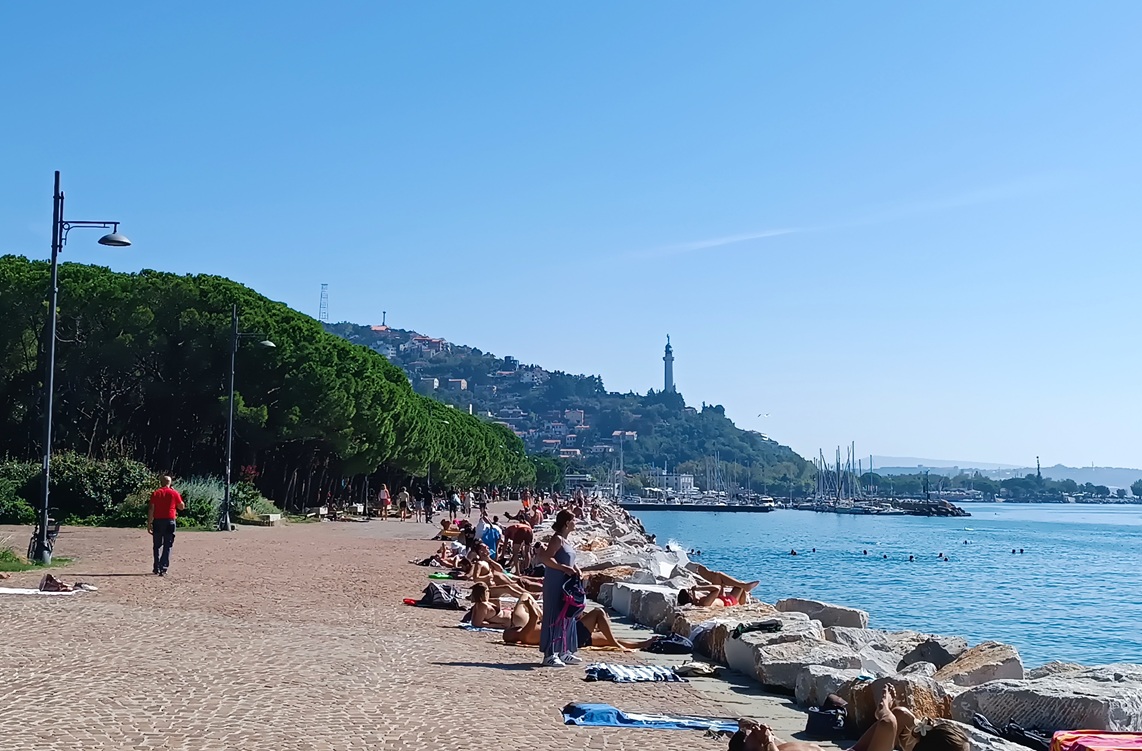
Three years ago, I visited a paid beach called Family and Natural Pool Heidesee Heidebad in my town. I rated it 3 out of 5 for a few simple reasons:
They didn’t accept cards.
They didn’t provide receipts.
The service didn’t match the €7 entry fee.
Last week, I received a notice from Google: my review had been removed due to a complaint from the business owner claiming it was defamatory. The same happened to my wife’s review.
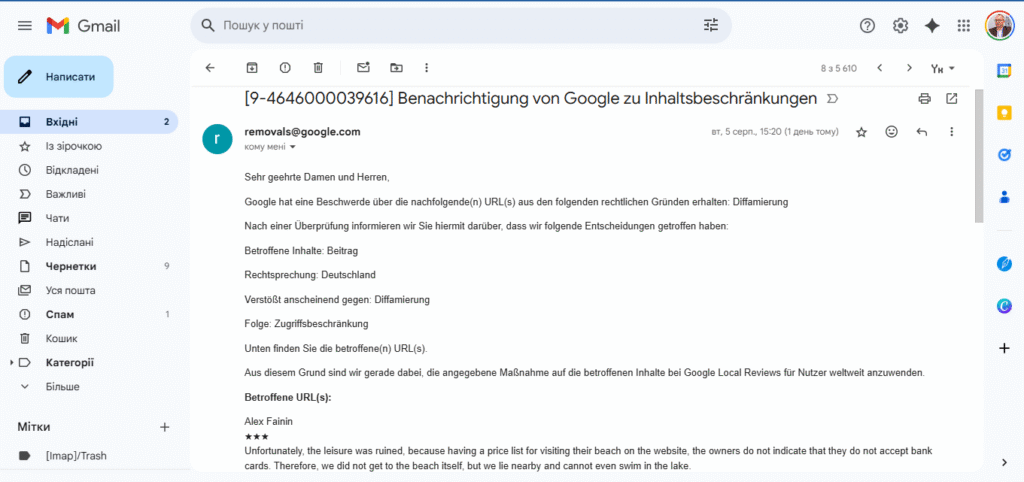
Google allowed me to appeal — but only if I could provide receipts, photos or video evidence. Three years later, how do you prove something when they didn’t even give you a receipt in the first place?
Case #2: Discrimination in response — and another deletion
 On my birthday this year, we visited Metaxa Grill, a Greek restaurant in Halle (Google rating: 4.7). Food was fine, service okay — until we tried to pay.
Their website said they accepted cards. The waiter told us otherwise. The only notice? A tiny piece of paper above the door.
We had to drive through the city looking for an ATM. Worst part? They asked for a phone as collateral to make sure we’d come back.
When I left a review, the restaurant replied with a xenophobic comment — basically saying: “Ukrainians, don’t bother leaving reviews.”
Shortly after, another Google email: my review was removed. This time, I had enough proof to get it reinstated — but not everyone’s that lucky.
Case #3: Great ratings, lousy reality
A few more examples from real life:
At Kaufland supermarket in Halle (rated 4.0), our car tire was punctured. Staff showed zero interest.
Villa Alice in the Harz Mountains (4.7): rude welcome, outdated attitude.
Gartenreich Dessau-Wörlitz (a UNESCO World Heritage Site, rated 4.8): staff spoke only German. Not a single international language at a global tourism site.
Here are two more gems from the world of “German hospitality”:
Restaurant Gori (4.4): We were invited to a friend’s birthday dinner. The owner of the restaurant even joined us at the table. But that didn’t help much — hot dishes arrived after three hours. Apparently, being seated with the boss doesn’t mean better service.
Friedrichsbad beach (4.2): Entry costs €5. But when the ticket booth is closed, you’re forced to queue at the café — alongside people buying beer and sausages — just to pay for access. Because nothing says “beach relaxation” like standing in line with hungry strangers.
In each case, our honest reviews were ignored. In some cases, not even published — just because they mentioned pricing or compared to competitors.
The Real Problem: Google Reviews Support Reputation, Not Tourists
Let’s be honest: in Germany, especially in Saxony-Anhalt, Google reviews often serve the prestige of business owners, not the needs of travelers.
We’ve faced review deletions, censorship of photos, and silent blocks on reviews that dare to criticize.
What can you do?
Don’t trust five-star ratings blindly. Look for balanced reviews — both good and bad.
If you’re a traveler or expert — keep writing the truth, even if it disappears.
Save your receipts, take photos, and appeal review deletions if needed. You might not always win — but at least you’ll try.
Final Thought
Germany still has a long way to go when it comes to customer service and hospitality. Google’s algorithms aren’t helping — they’re helping cover up.
A five-star rating isn’t always a sign of quality.
Sometimes, it’s just a marketing illusion — and a gatekeeping tool.
About the Author

Oleksandr Fainin is a Destination Development & Management Consultant with 30+ years of experience in sustainable tourism, post-conflict recovery, and strategic planning. He has worked with USAID, international NGOs, and local governments across Europe, the Caucasus, Central Asia, and the Middle East.
He helps destinations unlock their potential through practical strategies rooted in trust, dignity, and impact.