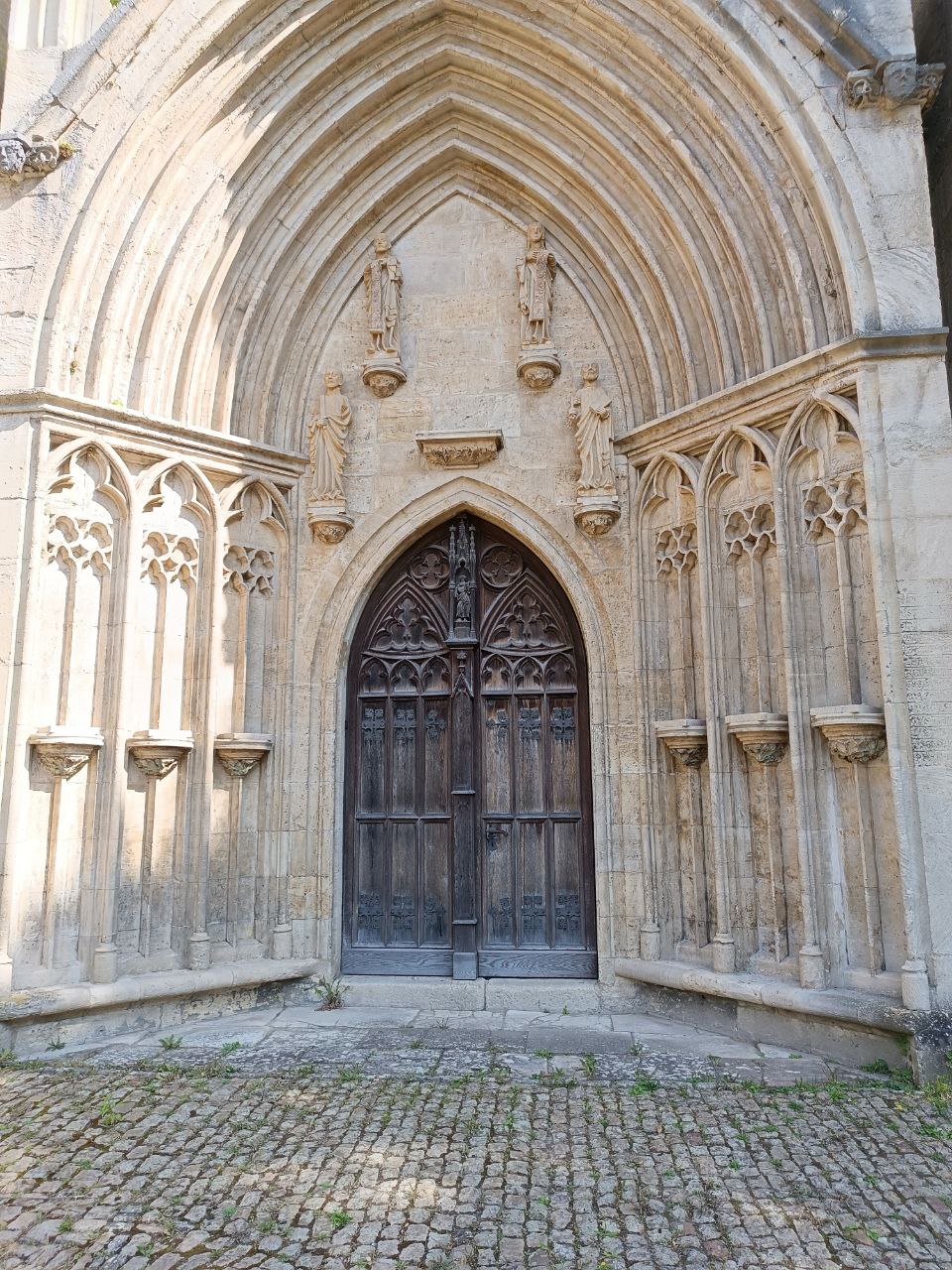
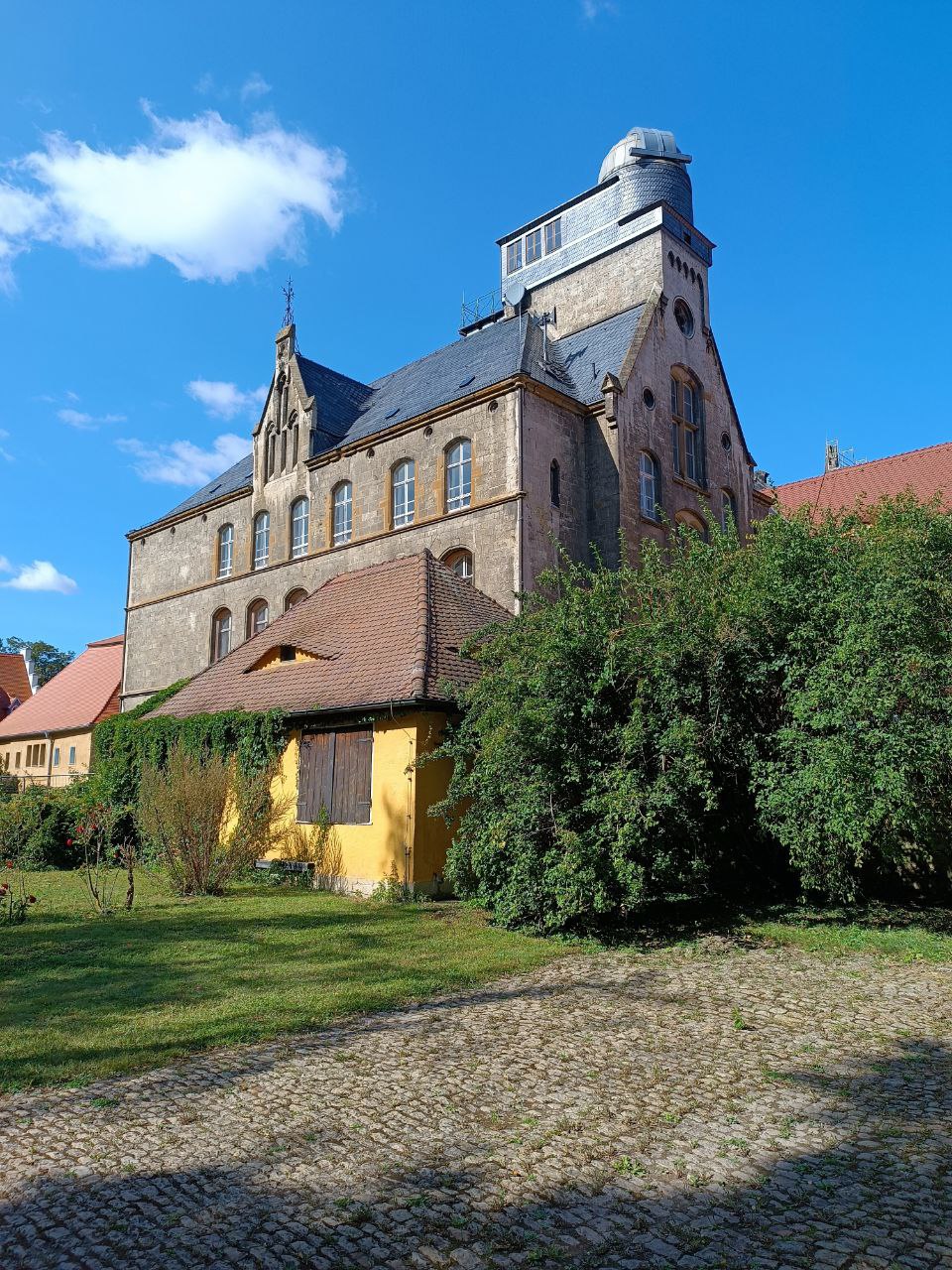
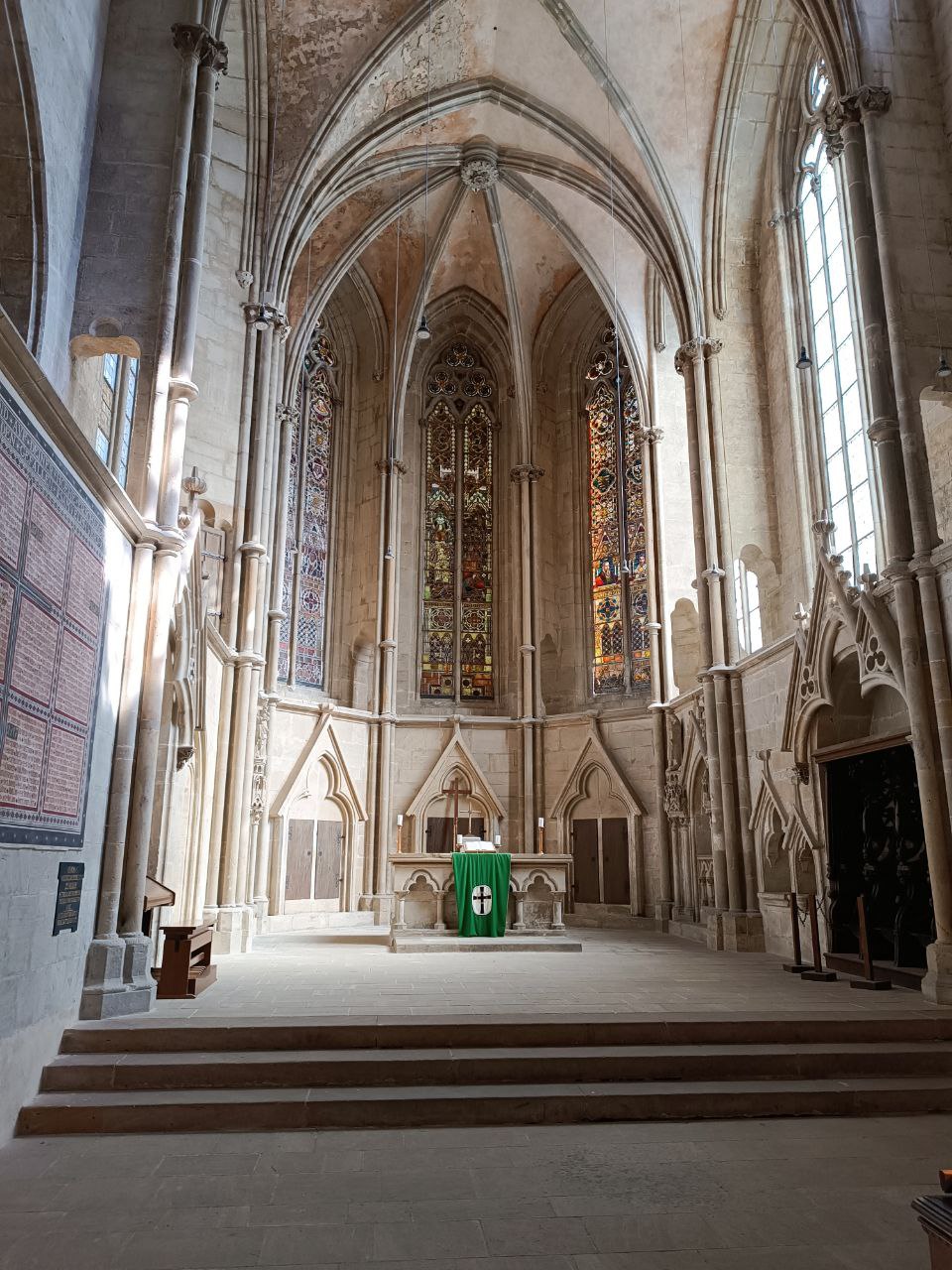
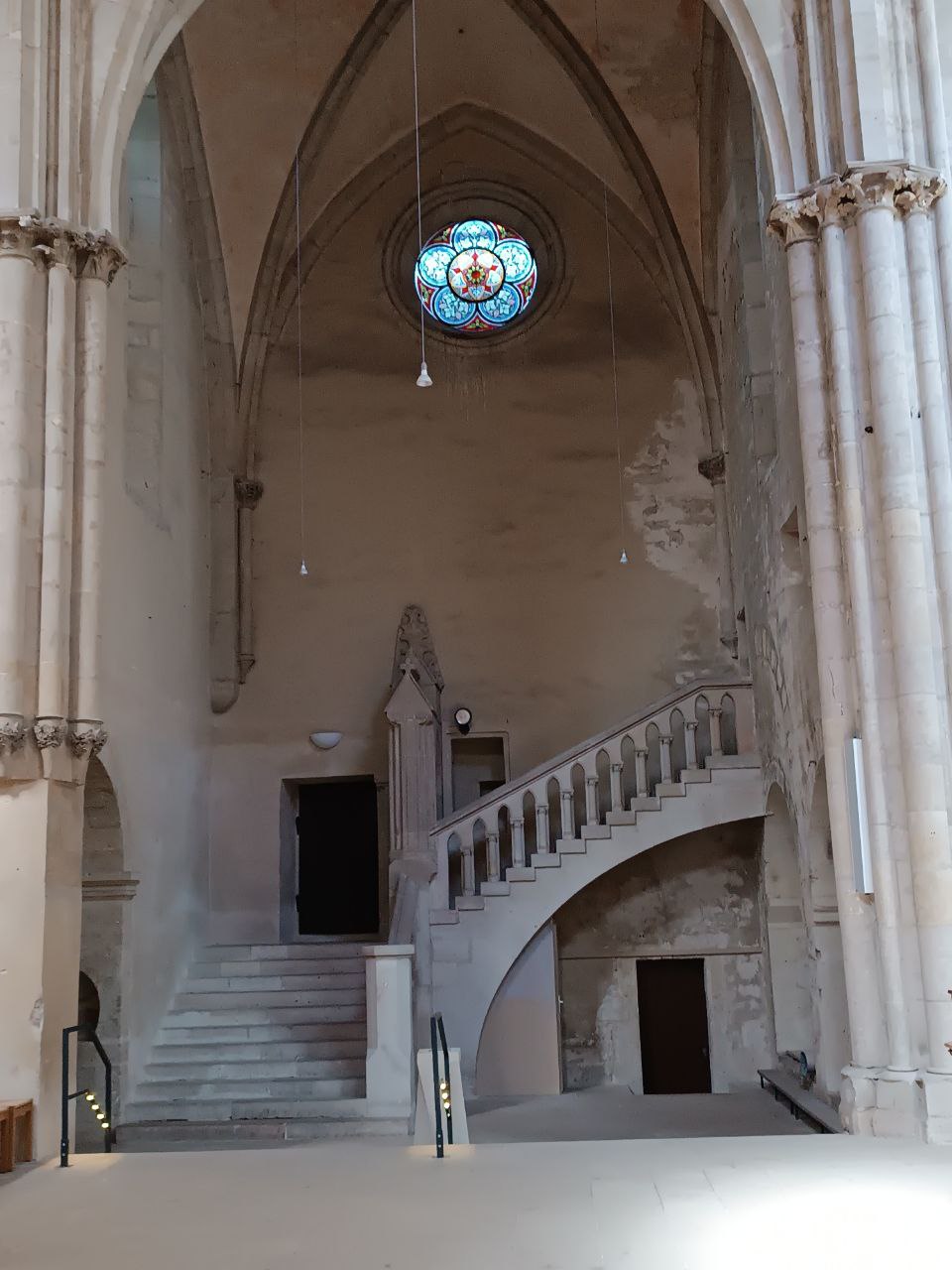
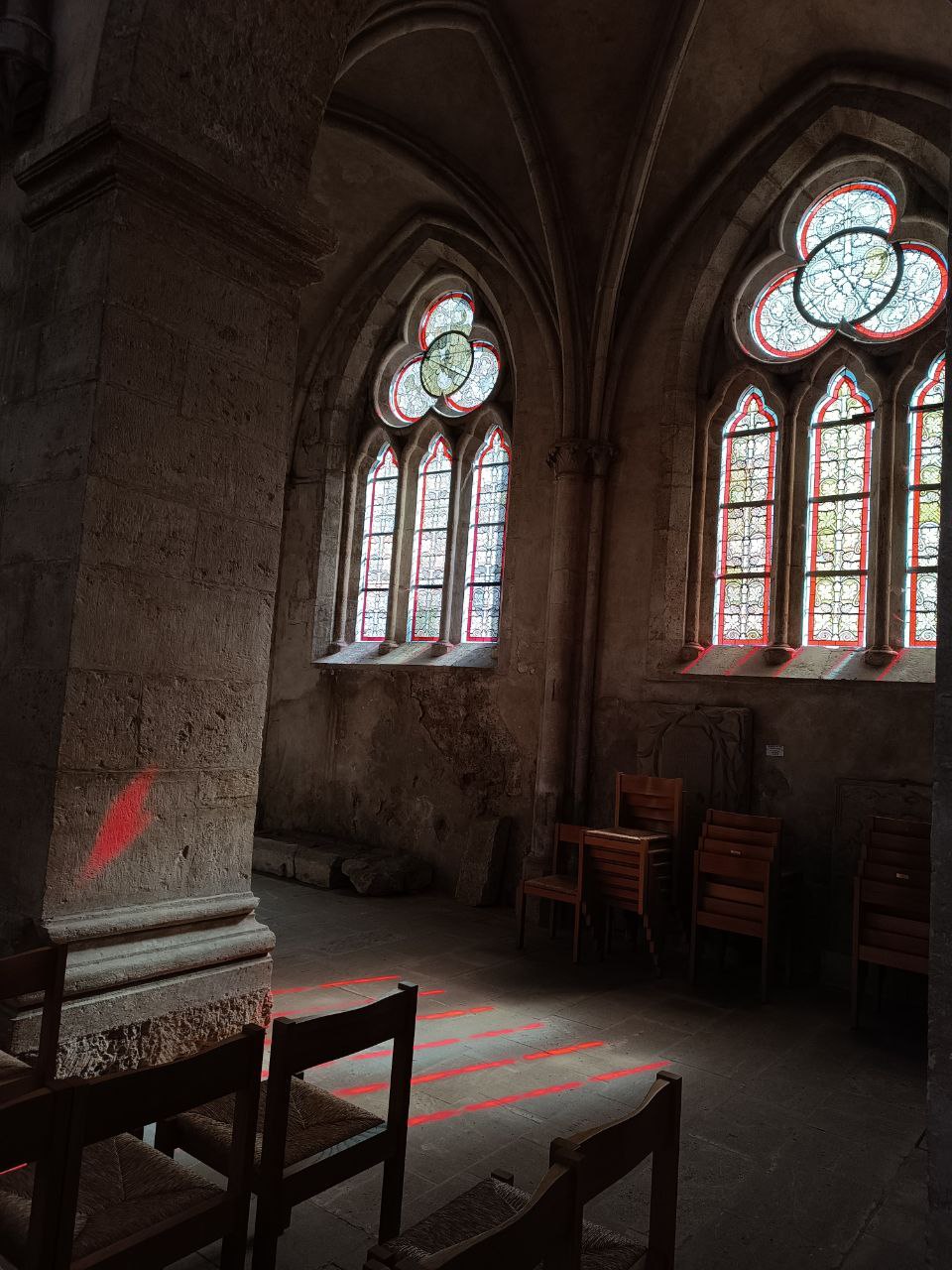
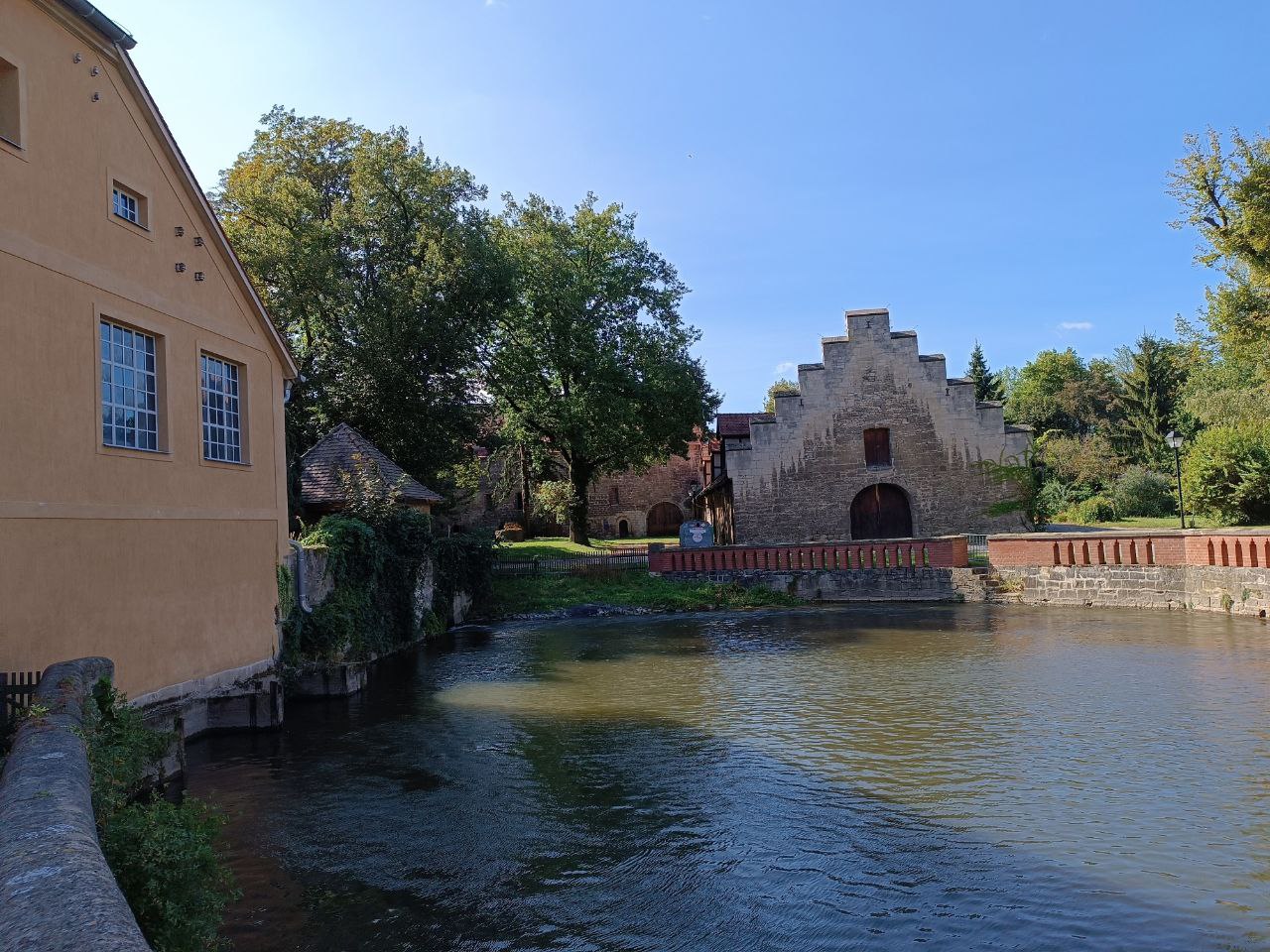
I recently came across an article that Australian scientists have proven that people who travel look younger than those who don’t. Visiting new interesting places inspires, broadens one’s outlook and gives strength for further achievements. So, our travels in Germany continue. On Sunday, we visited a very interesting location, which is located 65 km from the city of Halle – the Pforta monastery. This monastery was founded in 1130. That is, he is “only” 100 years younger than our Kyiv-Pechersk Lavra.
Pforta was founded by monks of the Cistercian (Bernardine) order, or “white monks”. It was the Cistercians who became the founders of the first organization, later known as the “monastic order”. At that time, monastic orders contributed to the development of industry in European countries and economic expansion to the countries of Central and Eastern Europe. Thus, in the 12th and 13th centuries, the Cistercians laid the foundations for industrial development of the main ore deposits of Central Europe, created a base of mining and metallurgical knowledge and cultural traditions of miners. In the 13th-15th centuries, this order became one of the most powerful Catholic organizations, which had more than 700 monasteries throughout Europe.
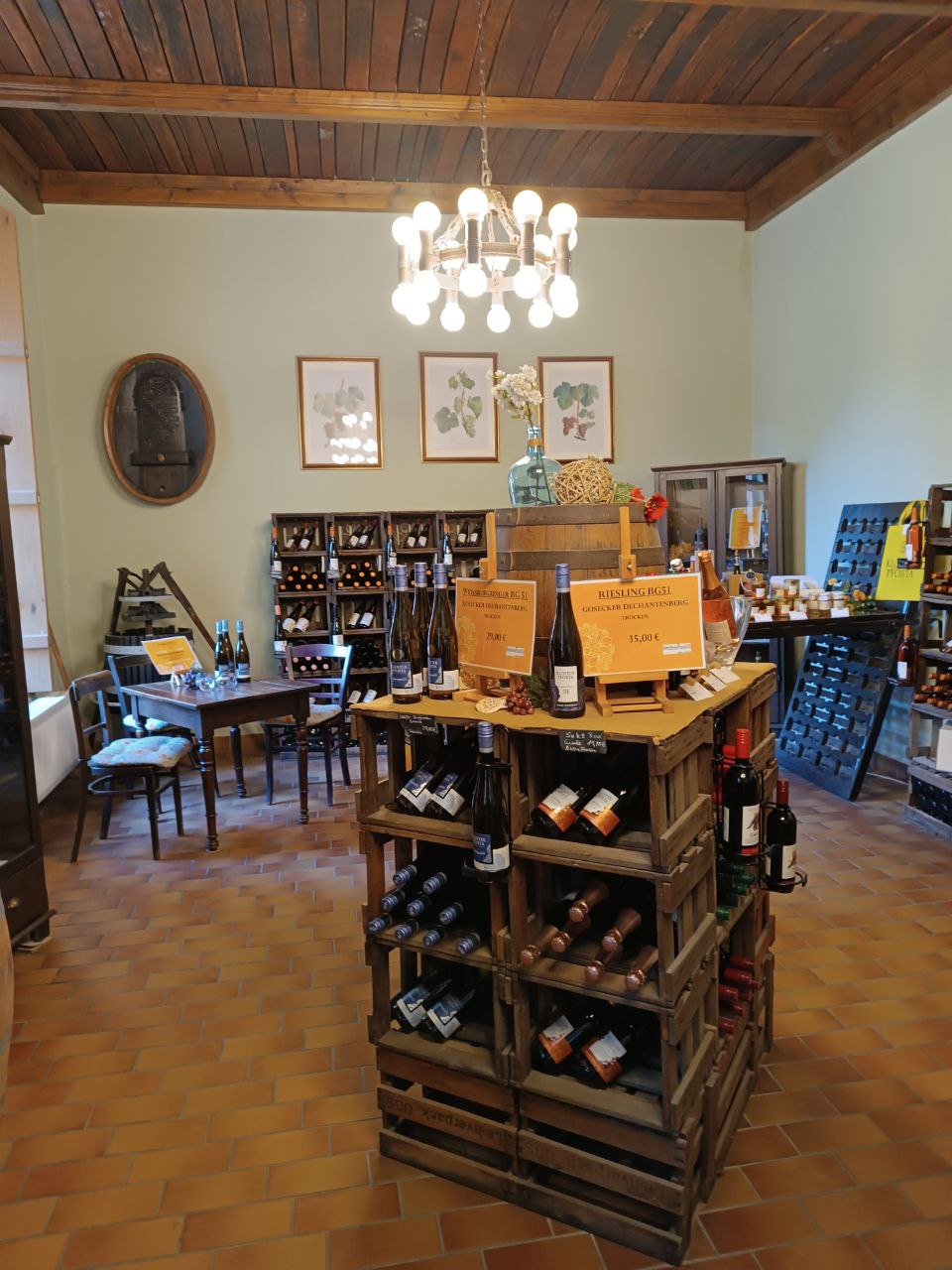
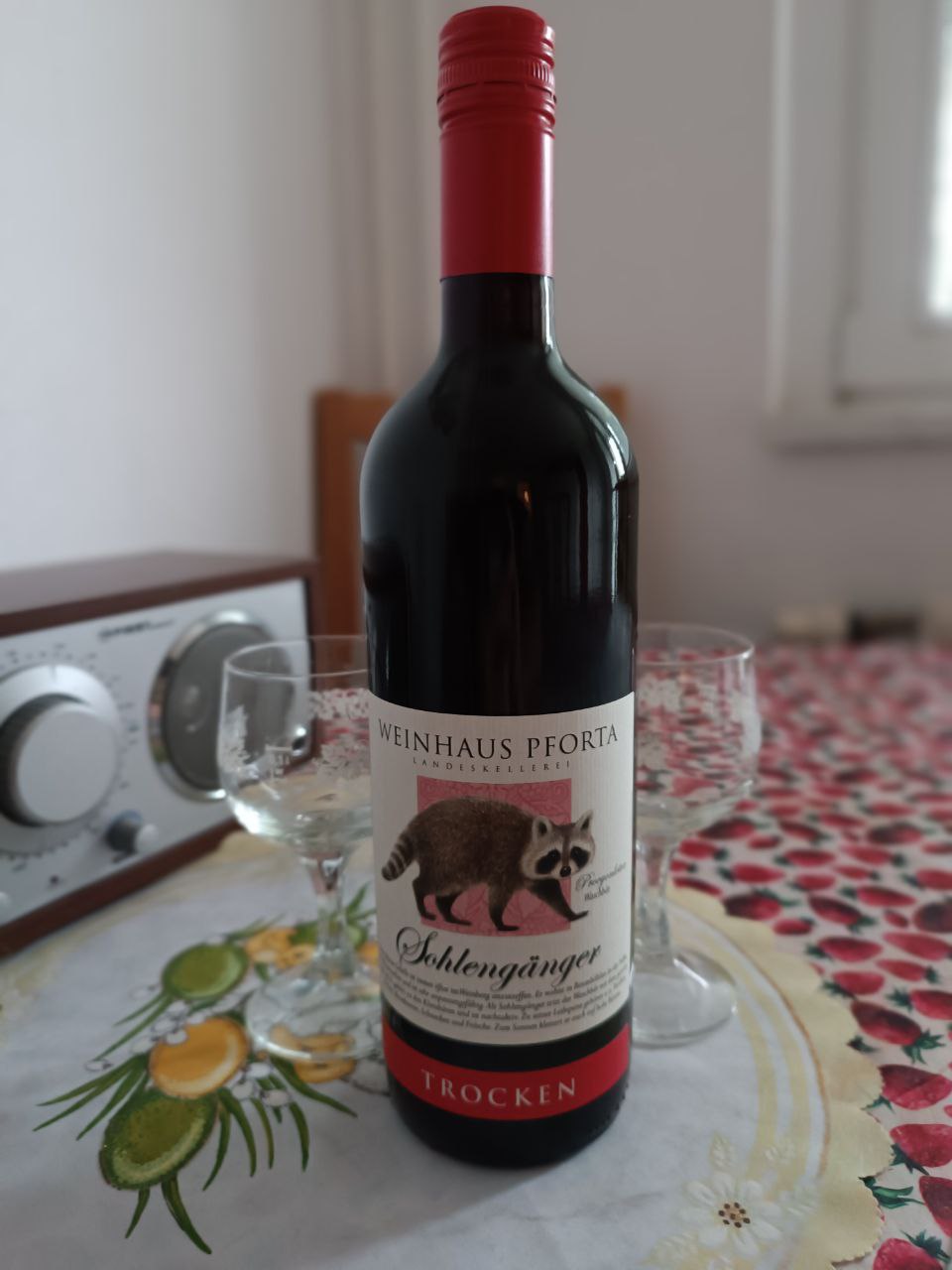
There is no doubt that this location is as interesting to my wife and I as it is to oenophiles. It was here in the 11th century that monastery monks began to develop the culture of winemaking. Later, this culture spread to the entire Saale-Unstrut region. The monastery winery still exists today, but it is located a little away from the monastery itself. Nevertheless, you can always taste and buy “Weinhaus Pforta” wines at the location. We bought a bottle of young dry red wine of the Sohlengänger brand and were very pleased with its excellent taste and bouquet.
From the point of view of the development of the federal state of Saxony-Anhalt as a tourist macro-destination, I can say that its southern part is the most developed of all. It is home to the Saale-Unstrut wine region, which in itself is not yet sufficiently developed to receive foreign tourists. Here, as in other regions of Saxony-Anhalt, there is a lack of staff ownership of tourist facilities and duplication of signs in English.
Nevertheless, one of the Saxony-Anhalt’s seven UNESCO world heritage sites – Naumburg Cathedral is perfectly equipped to receive tourists not only from Germany. With the help of an audio guide, you can listen to the tour in English, French, Dutch and Russian.
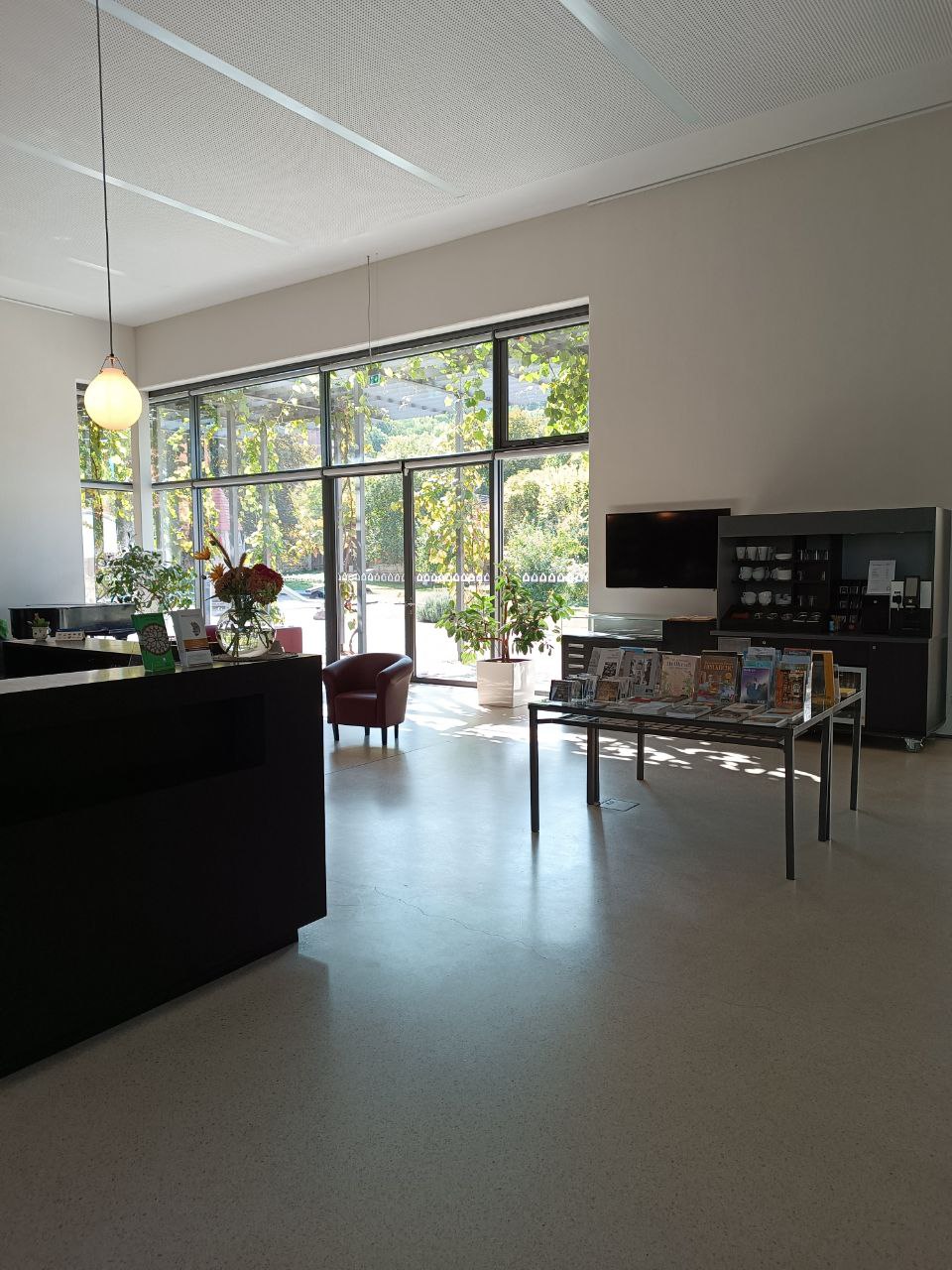
Actually, the Pforta Monastery is not currently included in the UNESCO list, but this object is a candidate to get there. There is free parking and restrooms, a great modern Visitor Center, a cozy wine shop, and all signs and information are duplicated in English. In comparison, at the Dessau-Werlitz UNESCO World Heritage Site, we found neither a Visitor Center nor information in English, and no staff spoke any language other than German.
We definitely recommend you and your friends to visit the Pforta Monastery. And for those who do not have the opportunity for this, we will gladly help. To do this, it is enough to register on our Telegram channel and order a tour. So, our travels and studies of the tourist infrastructure of Saxony-Anhalt continue.
(c) Oleksandr Fainin