Introduction: When the Dust Settles
Tourism in fragile regions is more than just an economic activity — it’s a critical driver of peacebuilding, recovery, and community resilience. In areas shattered by conflict, disaster, or poverty, rebuilding tourism offers a pathway to restoring livelihoods and hope.
In fragile regions — those fractured by war, shaken by disaster, or drained by chronic poverty — hope is often the first casualty. Yet time and again, I’ve seen how tourism, when planned strategically and compassionately, can become the quiet architect of recovery. Not by building amusement parks on ruins, but by restoring dignity, livelihoods, and a sense of place.
This article reflects over three decades of hands-on work in destinations affected by conflict and economic instability. From the Balkans and Ukraine to the Caucasus and Middle East, I’ve helped governments, NGOs, and communities transform tourism into a peacebuilding and economic tool. What follows are not theories, but tested strategies — often shaped in field tents, not boardrooms.
1. Tourism: Not the Last Step — the First.
Too often, tourism is treated as a “nice-to-have” — a sector for later, once the “serious” rebuilding is done. This mindset is not only outdated, it’s counterproductive.
Tourism provides:
Immediate income through services like guiding, accommodation, crafts, and food.
Psychosocial recovery by reviving pride and collective identity.
Job creation, especially for women and youth — the first to be sidelined, the last to be reintegrated.
🧩 Case in point: In post-conflict Bosnia, the reconstruction of tourism routes around Mostar created not only jobs but also new bridges (literal and symbolic) between communities once divided by violence.
2. Forget “Quick Fix” Models. Co-create Instead.
International consultants often arrive with pre-packaged “best practices,” forgetting that the people on the ground hold the real wisdom. Fragile regions don’t need imported blueprints — they need facilitation.
What works:
Community mapping workshops, to identify local assets and risks.
Listening labs with marginalized groups — especially IDPs, women, and ex-combatants.
Inclusive branding, where locals define what their destination means to them.
🎯 Rule of thumb: If your strategy can’t be drawn in sand with a stick and understood by a grandmother and a 10-year-old, it’s not ready.
3. Build Infrastructure of Trust First
You can’t market a destination when locals themselves don’t feel safe or valued. Before infrastructure in roads or resorts, you need infrastructure in trust.
How?
Start with hyper-local wins: restoring a trail, reopening a small market, training one group of guides.
Ensure transparent budgeting and regular feedback loops.
Use non-tourism language when needed. In areas with trauma, “heritage trail” might work better than “tourist route.”
🛠 Tip: Invest in a local coordinator — not as a translator, but as a cultural bridge. This person will save your project months of blind turns.
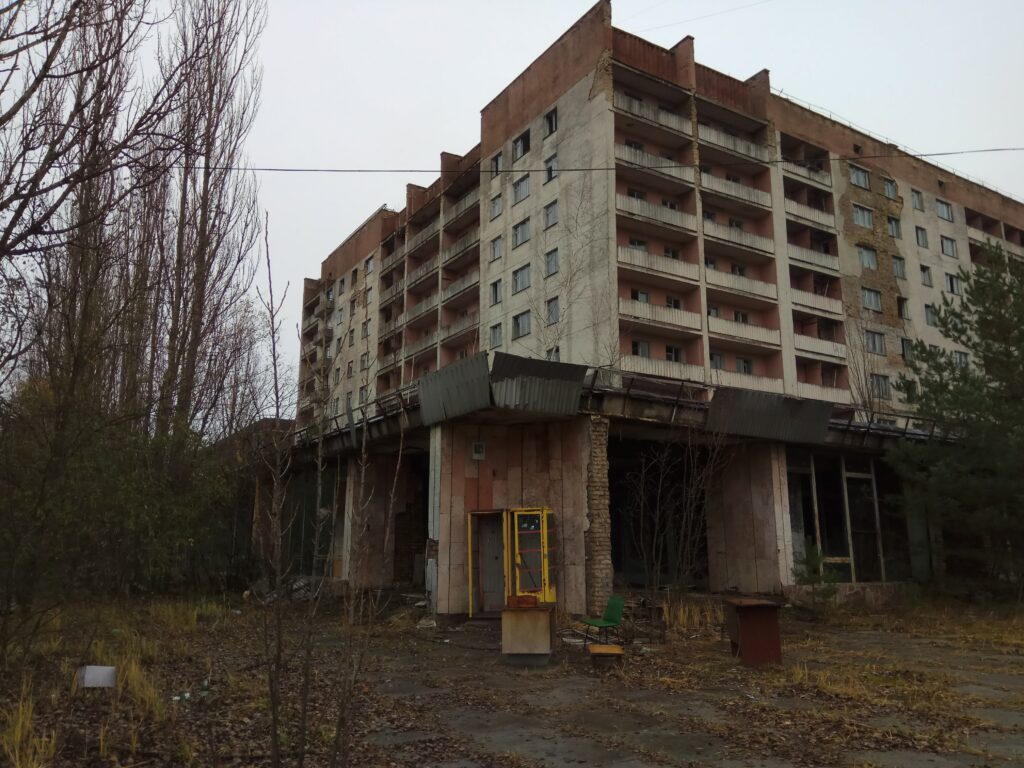
4. War Zones Have Stories. Don’t Turn Them into Theme Parks.
Tourism in fragile regions walks a moral tightrope: how to honor the past without commodifying suffering. “Dark tourism” must be navigated with ethics and empathy.
Do:
Train local guides to share multi-perspective narratives.
Co-create memory trails that educate without sensationalizing.
Involve survivors or veterans in designing visitor experiences.
🚫 Don’t:
Reenact violence.
Build souvenir shops next to mass graves.
Outsource interpretation to people without connection to the land.
🕊 Lesson from the field: In a village in eastern Ukraine, a museum designed by widows of fallen soldiers became not just a tourist stop, but a space of healing.
5. Tourists Don’t Chase GDP. They Chase Meaning.
In fragile destinations, your biggest selling point isn’t price or luxury — it’s authenticity. Post-crisis tourists (voluntourists, mindful travelers, diaspora) come looking for connection.
To deliver:
Curate experience bundles: storytelling dinners, walking tours led by youth, artisanal workshops.
Highlight resilience, not tragedy in your messaging.
Partner with diaspora communities abroad to create demand and bring in ambassadors.
💡 Example: In Georgia, former IDPs now run guesthouses that double as history classrooms — showing guests how displacement shaped the food, the songs, the soul of the region.
6. Don’t Just Train People. Mentor Them.
One-off workshops won’t cut it. Real capacity-building in fragile zones means mentorship, follow-ups, and failure-friendly ecosystems.
✔ Build:
Microgrants + mentorship programs for small tourism businesses.
Alumni networks of trained guides, managers, and creators.
Peer-to-peer exchanges with other post-conflict destinations.
💬 In practice: After a USAID-funded tourism bootcamp in rural Armenia, we paired each new entrepreneur with a mentor from Bosnia. The shared scars built trust faster than any consultant could.
7. Measure Impact Like a Human, Not a Spreadsheet
Traditional KPIs (arrivals, bed nights, spend per tourist) tell only part of the story in fragile zones. You must measure:
Jobs for vulnerable groups.
Perceptions of safety.
Changes in local pride.
📊 Try mixed methods: Combine visitor surveys with community storytelling sessions. You’ll hear what the data won’t say.
And always ask: Who benefits from this growth? If the answer is “only tour operators and officials,” something’s broken.
8. Align with Peacebuilding Agendas
Tourism in fragile regions is not a standalone sector — it must be aligned with local peace and recovery efforts. Coordination with UN agencies, local councils, education departments, and NGOs is essential.
🤝 Coordinate with:
DDR programs (Disarmament, Demobilization, Reintegration)
Women’s cooperatives
Heritage conservation groups
Youth entrepreneurship hubs
🔗 Tourism that connects with rather than competes against other priorities becomes a glue for rebuilding societies.
9. Flexibility is Your Strongest Tool
Fragile zones change fast. Elections, attacks, or climate events can undo months of planning overnight.
So:
Use modular programming — activities that can be paused or shifted.
Create scenario plans — best case, expected, worst case.
Build local ownership, so the project continues even if funding pauses.
⚠️ Reality check: In Yemen, we had to postpone a community-led visitor center three times due to conflict flareups — but because the local team had full control, the idea survived and thrived.
10. Leave Behind More Than a Strategy
When your project ends, what stays behind? A thick report in English no one reads — or a network of empowered people with skills and pride?
Aim to leave:
Trained trainers and not just trained staff.
Local brands people are proud to own.
A vision, not just a plan.
🎒 Think of your exit strategy like packing a backpack: the lighter it is, the more likely people will carry it forward.
Final Thoughts: Tourism as a Gentle Weapon of Hope
Tourism in fragile regions should not be forced. It must be invited — like a respectful guest. When done well, it becomes more than an industry. It becomes a practice of healing.
Let’s not forget: no peace agreement has ever guaranteed reconciliation. But a guest eating bread in a family home, a visitor listening to a grandmother’s story, a traveler walking a rebuilt path — those moments plant seeds.
Tourism, done right, doesn’t erase the past. It helps communities write new chapters.
And for those of us lucky enough to support this work — our task is not to lead, but to walk beside.
About the Author

Oleksandr Fainin is a Destination Development & Management Consultant with 30+ years of experience in sustainable tourism, post-conflict recovery, and strategic planning. He has worked with USAID, international NGOs, and local governments across Europe, the Caucasus, Central Asia, and the Middle East.
He helps destinations unlock their potential through practical strategies rooted in trust, dignity, and impact.