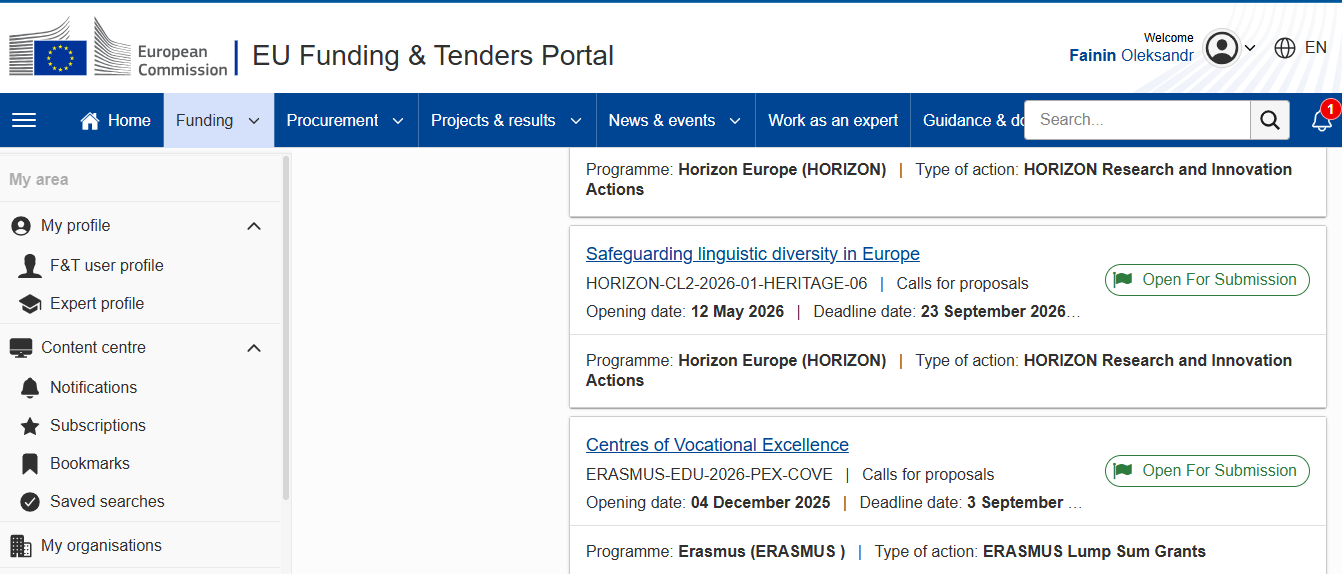
Many project teams spend weeks — sometimes months — preparing proposals, concept notes, and funding applications.
Yet one simple step is often overlooked:
Taking a step back and asking the right questions before submission.
In my experience working with donor-funded programmes, international consortia, regional development initiatives, and project review processes, many funding challenges can be identified long before an application is submitted.
Before you press “Submit”, ask yourself these ten questions.
1. Is the Problem Clearly Defined?
Can an external evaluator immediately understand:
- what problem you are addressing?
- who is affected?
- why it matters?
If the problem statement is unclear, the rest of the proposal becomes difficult to evaluate.
2. Does the Project Solve the Problem You Describe?
Many proposals contain a strong problem analysis but a weak connection between the problem and the proposed activities.
Ask yourself:
If we successfully implement all planned activities, will the identified problem actually improve?
3. Are the Objectives Realistic?
Ambition is valuable.
However, unrealistic objectives often create credibility concerns.
Review your objectives and ask:
- Are they achievable?
- Are they measurable?
- Are they realistic within the available time and budget?
4. Is the Logic of Implementation Clear?
A reviewer should be able to understand:
Problem → Activities → Results → Impact
If this chain is difficult to follow, the project may appear risky.
5. Are Roles and Responsibilities Clearly Defined?
This is especially important in partnerships and international consortia.
Every evaluator wants to know:
- Who does what?
- Who is accountable?
- Who makes decisions?
Unclear governance often raises concerns.
6. Does the Budget Match the Activities?
A budget is not only a financial document.
It demonstrates whether the project has been realistically planned.
Check:
- Are costs justified?
- Are major expenses explained?
- Does the budget support the proposed activities?
7. Have You Considered Risks?
No project is risk-free.
Strong proposals acknowledge risks and explain how they will be managed.
Ignoring risks often weakens credibility.
8. Is the Project Aligned with the Funding Programme?
Many good projects are rejected because they do not fully match the priorities of the call.
Review:
- programme objectives
- evaluation criteria
- expected outcomes
Alignment matters.
9. Can You Demonstrate Impact?
Funders increasingly expect more than activities.
They want evidence of change.
Ask yourself:
- What will improve?
- For whom?
- How will it be measured?
10. Would an Independent Reviewer Understand It?
This may be the most important question.
Your team knows the project very well.
An evaluator does not.
If someone unfamiliar with the project cannot easily understand:
- the logic
- the structure
- the expected results
then improvements may still be needed.
Final Thought
Submitting a proposal should never be the first time a project is critically reviewed.
The strongest applications are usually the result of multiple rounds of reflection, revision, and improvement.
Before you submit, ask the difficult questions.
It is far easier to improve a proposal before submission than to explain a rejection afterwards.
If you would like an independent assessment of your concept note, proposal, or project idea, consider a professional Strategic Project Review before submission.
Related insights:
- Why Good Projects Fail to Get Funding
- What Project Funding Readiness Really Means
- How Donors Really Evaluate Grant Applications
Related Service
Project Review & Funding Readiness
Independent assessment of project concepts, proposals, partnership structures, implementation readiness, and funding alignment.